For bags, wetsuits, sleeves and protective soft parts, neoprene foam is valuable because it adds cushioning, flexible recovery and a comfortable hand feel without making the finished product look bulky. However, the real choice is not only about naming one material. A laptop sleeve, a diving panel, a shoulder strap and a die-cut protection pad all need different softness, surface finish and processing behavior.
Therefore, this guide explains the material from real product use. Instead of listing parameters like a manual, it focuses on scenes, selection logic, lamination choices, common mistakes and practical sample checks for OEM projects, material engineers and industrial foam sourcing teams.
Where Foam Sheet Materials Are Used in Real Products
In finished products, this material rarely appears as a simple sheet. It becomes the layer that makes a sleeve feel safer, a strap feel softer, or a wetsuit panel move more naturally. Therefore, it is better to think about the product scene first and the material grade second.
For soft bags, the material adds body under fabric. A pouch can look fuller, a divider can stand more firmly, and a shoulder pad can feel more comfortable under load. Meanwhile, the sheet still needs to fold, sew and recover well during daily use.
For wetsuits and water sports accessories, the material works through movement. A flat sheet may look fine on a table, yet it must still bend around shoulders, knees and elbows. As a result, flexibility, recovery and fabric lamination become more important than a single thickness number.
For protection products, the goal is more direct. A pad, insert or sleeve needs to reduce bumps, prevent rubbing and keep shape after pressure. However, it should not feel heavy or make the finished product difficult to assemble. This balance is the reason material selection needs practical testing.
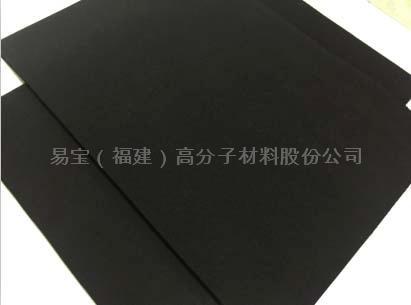 View YB-2530 Domestic CR Foam
How Neoprene Foam Sheet Supports Bags, Sleeves and Cases
In bag projects, the material should feel useful before it is noticed. A laptop sleeve should have a quiet padded touch. A camera insert should keep equipment separated without feeling rough. A shoulder strap should soften pressure without becoming too thick. Therefore, the best material is the one that improves the product experience without creating new assembly problems.
For laptop sleeves, balance is important. A very soft sheet may feel pleasant at first, but it can flatten around the device. However, a very firm sheet can make the sleeve stiff and uncomfortable to carry. As a result, a medium-support sheet often works better than an extreme option.
For camera bags, the material needs more shape support. Dividers should stand upright, yet the surface should feel safe against lenses, screens and accessories. Meanwhile, the outer fabric needs a stable foam layer underneath, so the finished bag does not look loose or wrinkled.
For tool pouches and equipment covers, repeated contact becomes the main issue. A metal part, cable or small tool may press the same area again and again. Therefore, the material should recover after pressure and resist early surface collapse. This is especially important when the part is used daily.
A practical judgment method for bag projects
First, fold the sample around the smallest curve in the design. If the surface wrinkles badly, the sheet may be too thick or too stiff for that product. Next, place the sample under the expected pressure point, such as a strap area or pocket edge. If the dent remains too long, another grade or density may be safer.
Also, check the cut edge. A clean edge makes stitching, bonding and assembly easier. In addition, it improves the visual finish of open edges and small parts. For this reason, early cutting trials are more useful than reading parameters alone.
SBR Foam, SCR Foam and CR: Choose by Application, Not by Label
SBR foam, SCR foam and CR are often compared as if one grade is always the correct answer. However, real projects are more practical. A promotional bottle holder, a wetsuit panel and an industrial protection pad do not share the same performance target. Therefore, grade selection should follow the use scene, not a fixed ranking.
SBR foam is commonly considered when economical cushioning and flexible conversion are important. It can suit simple sleeves, soft bags, promotional accessories, sports items and light padding. Also, it can be useful when a project needs a comfortable feel but does not require a higher-performance CR route.
SCR foam is often useful as a balanced middle option. It may fit products that need a better hand feel or more stable recovery than basic padding, while still keeping the project cost under control. As a result, it can make sense for mid-range soft goods, upgraded pouches and protective accessories.
CR foam is usually considered when recovery, durability and more demanding use conditions matter. It may support higher-stability pads, water sports panels, soft industrial parts and protective sleeves. However, CR is not automatically necessary for every bag or lining. Therefore, a real sample test should guide the final decision.
For related category comparison, the NEOPRENE (SBR/SCR/CR) Division is the proper YIBAO page to review the material family. In addition, the most useful comparison is still a side-by-side sample review under the same pressure, bend and cutting conditions.
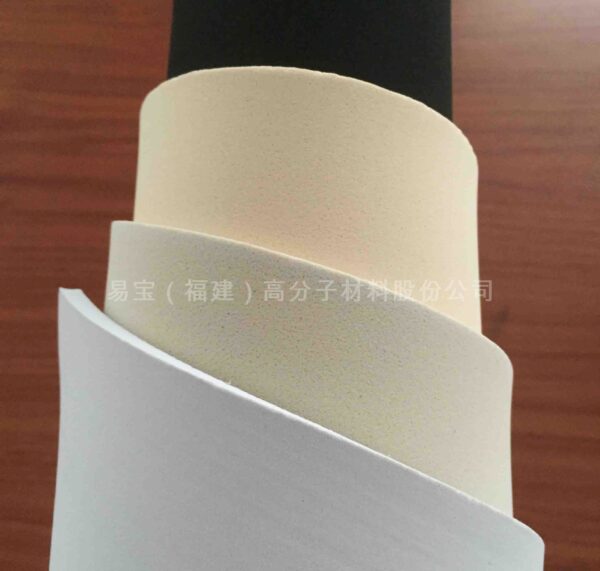 View SBR Diving Material SBR Foam
Wetsuit Foam and Water Sports Panels
For wetsuits and water sports products, the material must be judged in movement. A sheet can look smooth on a table, but it may feel stiff when wrapped around a shoulder or knee. Therefore, flexibility, laminated stretch and recovery after repeated bending are essential checks.
In a wetsuit panel, fabric changes the final behavior. The foam layer may feel soft alone, while the laminated fabric controls touch, stretch and sewing performance. Meanwhile, the adhesive layer affects whether the panel stays flat after cutting and flexing. Because of this, testing a finished laminated sample is much more useful than testing a raw sheet only.
For knee sleeves, braces and water sports supports, comfort is close to compression. The material should wrap the body without creating hard edges. Also, the surface should not feel rough during repeated movement. As a result, a softer laminated construction can improve the wearing experience.
For marine bags, bottle holders and outdoor pouches, durability becomes more visible. These products may face moisture, folding, friction and storage pressure. However, they still need a clean surface and stable shape. Therefore, the material should be reviewed for both practical use and finished appearance.
A simple workshop test can help. Bend the laminated panel repeatedly, then check whether it wrinkles, separates or loses recovery. Next, cut a small curve or seam shape. If the edge remains clean and the panel keeps a smooth feel, the material is closer to production-ready.
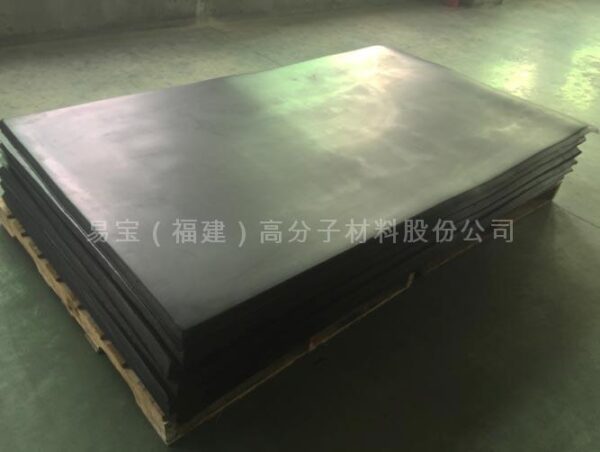 View Diving Material CR Foam 100%CR
Lamination and Fabric Pairing: The Part That Changes the Feeling
Lamination turns a plain foam sheet into a product-ready material. It can improve touch, appearance, sewing support and surface durability. Moreover, it allows the same foam base to serve different product types, from sports braces to premium soft cases.
For bags and sleeves, fabric lamination creates a more finished hand feel. A textile face can hide the foam texture, improve grip and support stitching. Meanwhile, the foam layer underneath gives the product body. Therefore, the finished panel feels more intentional and easier to use.
For wearable products, the inner surface matters more. A rough surface can irritate skin or feel uncomfortable during long wear. However, a soft laminated face can make braces, supports and sports accessories easier to accept in daily use. Because of this, material testing should include touch, bending and short wear trials.
For wetsuit panels, fabric stretch must work with foam recovery. If the fabric and foam move differently, the panel may feel uneven. Also, poor lamination can cause wrinkles or edge problems after cutting. Therefore, laminated samples should be checked after bending, not only while flat.
For projects that need a textile surface, the Neoprene fabric category is the most relevant next page. In addition, sample cards should record foam grade, thickness, fabric face and lamination structure together, so approval stays clear.
Cushioning, Flexibility and Recovery in Daily Use
Cushioning is not only about softness. A useful protective layer should compress under pressure and recover after the load is removed. However, if the sheet stays dented, the finished product may look worn too early. Therefore, recovery is a key part of real performance.
In a sleeve, recovery helps the panel keep its shape after repeated storage. In a shoulder pad, it prevents the comfort layer from feeling flat after carrying weight. Meanwhile, in a protective insert, it keeps a stable buffer between parts. As a result, compression should be tested with the real object, not only by hand.
Flexibility decides whether the product feels natural. A flexible panel can follow a body curve, folded bag corner or soft equipment case. However, a stiff sheet can create hard seams and awkward bending points. Therefore, the material should be tested around the smallest curve in the design.
Thickness affects protection and appearance, but it does not solve everything. A thick sheet may look protective, yet it can make sewing harder and corners bulkier. Meanwhile, a thinner sheet with better recovery may perform better in a slim product. Because of this, thickness, density and grade should be reviewed together.
For industrial protection, consistency matters even more. A die-cut pad that varies too much in thickness can create uneven pressure. Also, poor material consistency may affect cutting quality. Therefore, part drawings, tolerance needs and sample standards should be confirmed before volume production.
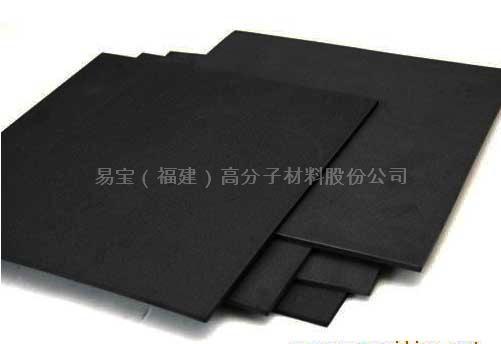 View YB-3050 CR
Practical Material Selection Table
The table below is designed as a first filter. It does not replace sample testing. However, it helps connect material type with real product scenes, so early discussion becomes clearer and less parameter-heavy.
| Material | Best for | Key property | Suggested YIBAO page |
|---|---|---|---|
| CR sheet | Sleeves, protective pads, stable soft parts | Recovery, durability and controlled sheet feel | YB-2530 Domestic CR foam |
| CR diving material | Wetsuit panels, water sports accessories, marine soft goods | Movement comfort and repeated bending support | Diving material CR foam 100%CR |
| SBR foam | Soft bags, economical sleeves, promotional accessories | Soft cushioning and efficient sheet conversion | SBR diving material SBR foam |
| SCR foam | Mid-range soft goods and upgraded protective accessories | Balanced cost, touch and performance | SBR / SCR / CR Division |
| Fabric-laminated sheet | Bags, braces, sleeves and visible product surfaces | Better touch, sewing support and finished appearance | Neoprene fabric |
| Converted foam parts | Die-cut pads, inserts, spacers and shaped protection | Repeatable sizing and easier assembly | YIBAO Application |
Sourcing Checklist for OEM Foam Projects
First, define the part’s real job. Is it for comfort, shape, protection, insulation-like feel, surface finish or assembly support? This answer removes many unsuitable options early. Also, it prevents the discussion from becoming a list of unrelated parameters.
Second, confirm the finished structure. A raw sheet, laminated panel, adhesive-backed pad and die-cut insert may all use similar base materials, but their production behavior can be very different. Therefore, the sample should match the final structure as closely as possible.
Third, test the material with the real object. A laptop sleeve should be checked with the device inside. A tool pouch should be checked with the actual tool shape. Meanwhile, a protective insert should be tested against the part it protects. As a result, the review becomes practical instead of theoretical.
Fourth, check cutting, sewing and bonding. A sheet can feel excellent by hand but still create rough edges, difficult seams or weak adhesive performance. Because of this, trial production is an important step before confirming bulk material.
Finally, keep an approved reference sample. Thickness, surface, hand feel, color, lamination and edge quality should match that standard during production. In addition, drawings and tolerance notes should be clear, especially for die-cut or CNC-cut parts.
Three simple tests before approval
- Bend the sample around the tightest product curve and check surface wrinkling.
- Compress the sample under the expected load and observe recovery time.
- Cut the sample into the real part shape and inspect edge finish.
Extended Reading and Related YIBAO Pages
For a clearer next step, the following pages connect this article with relevant YIBAO product and application areas. Each link supports material comparison, surface matching or project inquiry without forcing unrelated navigation.
Review related sheet grades for soft goods, protection and water sports projects. Neoprene Fabric
Explore fabric-laminated material routes for bags, braces and wearable products. Application
Connect foam sheet choices with practical converting and end-use requirements. Contact YIBAO Foam
Send drawings, sample goals, thickness targets or lamination requirements.
FAQ
What is the best grade for bag padding?
First, the best grade depends on the bag part. A simple pouch may only need economical softness, while a camera insert may need stronger recovery and shape support. Therefore, testing should include compression, edge cutting and fabric lamination when the foam will sit inside a visible product.
When is SBR foam suitable?
SBR foam can be suitable for soft bags, sleeves, bottle holders and general padded accessories when economical cushioning and flexible conversion matter. However, the sample should still be reviewed in the intended thickness, finish and final product structure.
How should SCR foam and CR foam be compared?
SCR foam can work as a balanced option when a project needs better feel than basic padding but does not require the strongest CR route. CR foam is often considered for stronger recovery, durability or more demanding use. Therefore, both should be compared through bending, compression and cutting tests.
What should be checked before choosing wetsuit foam?
First, check flexibility after lamination. Then, review stretch direction, seam behavior and repeated bending. Also, the sample should be tested as a finished panel because fabric, adhesive and cutting can change the final feeling.
Can one material cover bags, wetsuits and protective pads?
Sometimes one grade can support several simple parts. However, a bag panel may need structure, a wetsuit panel may need movement comfort, and a protective pad may need stronger recovery. Therefore, a material map with different thicknesses or grades often creates a better result.
Final Guidance for Material Development
In summary, soft goods and protective products perform better when material choice starts from real use. A bag panel needs comfort and shape. A wetsuit panel needs movement and recovery. A protective pad needs repeatable cushioning and clean conversion. Therefore, grade, thickness, lamination and processing should be reviewed together.
For custom projects involving neoprene foam, YIBAO Foam can review drawings, thickness targets, lamination needs, sample goals and processing requirements through the contact page.
- First, define whether the part needs comfort, cushioning, shape, surface finish or assembly support.
- Next, compare SBR foam, SCR foam and CR options through finished samples, not loose sheets only.
- Finally, test bending, compression, cutting and lamination before confirming bulk production.