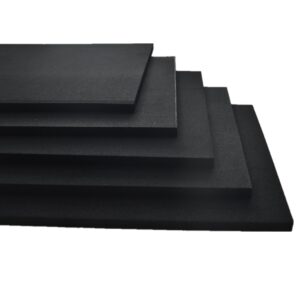
EPDM Foam and Closed Cell EPDM Rubber Foam

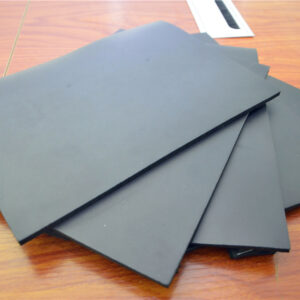
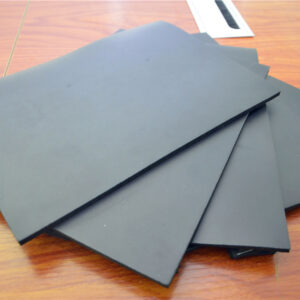
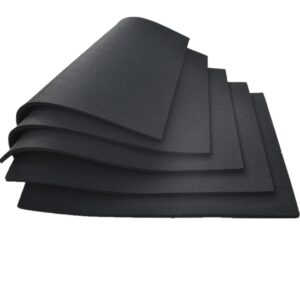
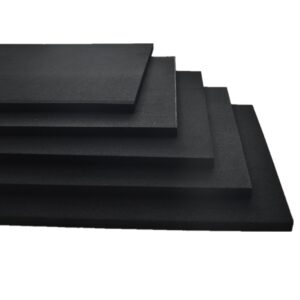
YIBAO supplies EPDM foam and closed cell EPDM rubber foam for sealing, gaskets, automotive, outdoor, weatherstrip and industrial cushioning applications.

Why Buyers Choose EPDM Foam

01

Outdoor Durability

Commonly selected for projects exposed to weather and outdoor conditions.

02

Ozone Resistance

Suitable grades are used where ozone resistance is an important sealing requirement.

03

Closed-Cell Sealing

Closed-cell EPDM foam can support gasketing, weatherstripping and moisture-control applications.

04

Compression & Cushioning

Used for pads, spacers and seals that need controlled compression and recovery.

05

Adhesive-Backed Parts

Can be supplied as strips, pads or die cut gaskets with adhesive backing.

06

Custom Converting

Slitting, lamination, die cutting and other converting options support production-ready parts.

Read More

评分为 5(共 5)

“A review from a customer who benefited from your product. Reviews can be a highly effective way of establishing credibility and increasing your company's reputation.”

评分为 5(共 5)

“A review from a customer who benefited from your product. Reviews can be a highly effective way of establishing credibility and increasing your company's reputation.”

EPDM Foam for Sealing and Outdoor Applications

Weather-Resistant Rubber Foam Selection

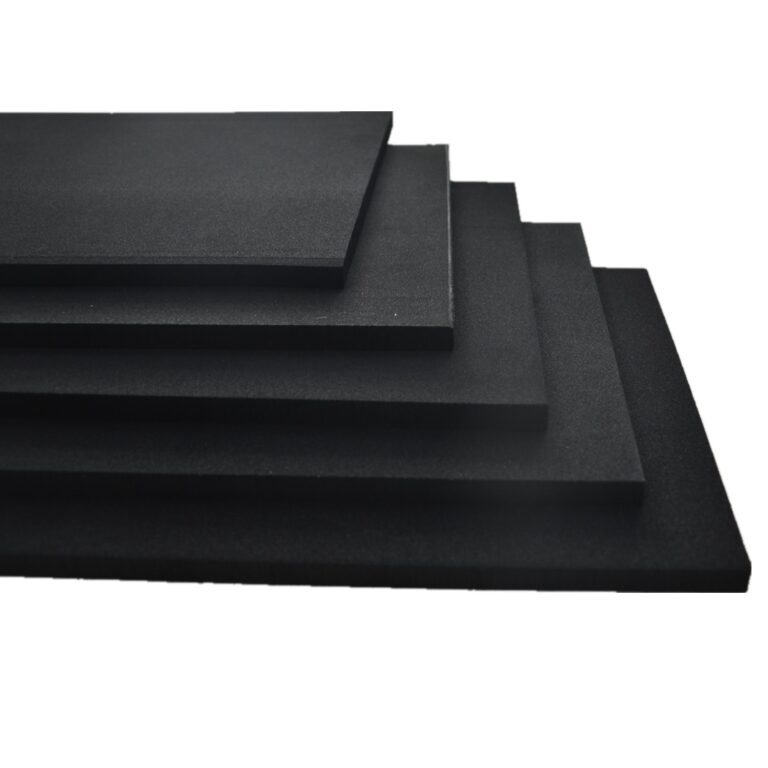
EPDM foam is commonly selected for sealing applications exposed to weather, ozone, moisture and outdoor environments. Suitable grades can be used for closed-cell gaskets, weatherstrips, cushioning pads and protective components.

The correct EPDM foam should be selected according to cell structure, density, compression behavior, temperature range, thickness, adhesive requirements and the actual environmental conditions of the finished product.
Automotive weather seals and pads
HVAC and appliance sealing
Doors, windows and construction joints
Outdoor electrical enclosures
Industrial gaskets and foam strips
Adhesive-backed EPDM components

Weather-Resistant Rubber Foam Selection

EPDM vs Neoprene vs Silicone Foam

Material Selection Focus Common Direction Category Link
EPDM Foam Weather, ozone and outdoor sealing. Automotive seals, HVAC, doors, windows and outdoor equipment. EPDM Foam
Neoprene Foam Balanced rubber-foam performance and lamination. Sports supports, pads, protective products and industrial seals. Neoprene Foam
Silicone Foam Temperature-sensitive sealing and specialty environments. Electronics, equipment, industrial sealing and automotive components. Silicone Foam

Frequently Asked Questions

What is EPDM foam used for?
EPDM foam is commonly used for weather seals, gaskets, automotive components, HVAC equipment, doors and windows, outdoor enclosures and industrial cushioning.
Is EPDM foam suitable for outdoor sealing?
EPDM is commonly selected for outdoor and weather-exposed sealing because suitable grades offer strong resistance to weathering and ozone. Final selection should still be confirmed against the actual environment.
What is the difference between EPDM foam and neoprene foam?
EPDM is often prioritized for weather and ozone exposure. Neoprene is often selected for a broader balance of rubber-foam properties and laminated products. Project conditions and test requirements should guide the choice.
Can EPDM foam be supplied as adhesive-backed gaskets?
Yes. EPDM foam can be slit, laminated, adhesive-backed and die cut into strips, pads and gaskets according to the drawing and application.

Need EPDM Foam Strips, Gaskets or Custom Parts?

Send the working environment, dimensions, thickness, cell structure, adhesive requirements, drawing and quantity for evaluation.