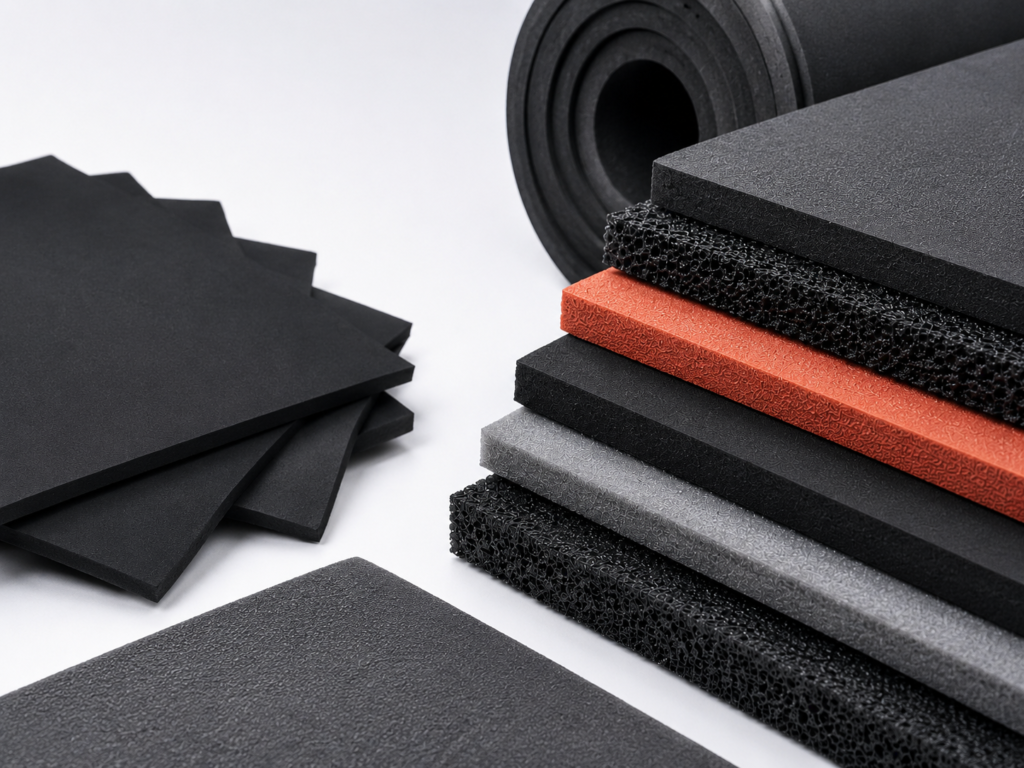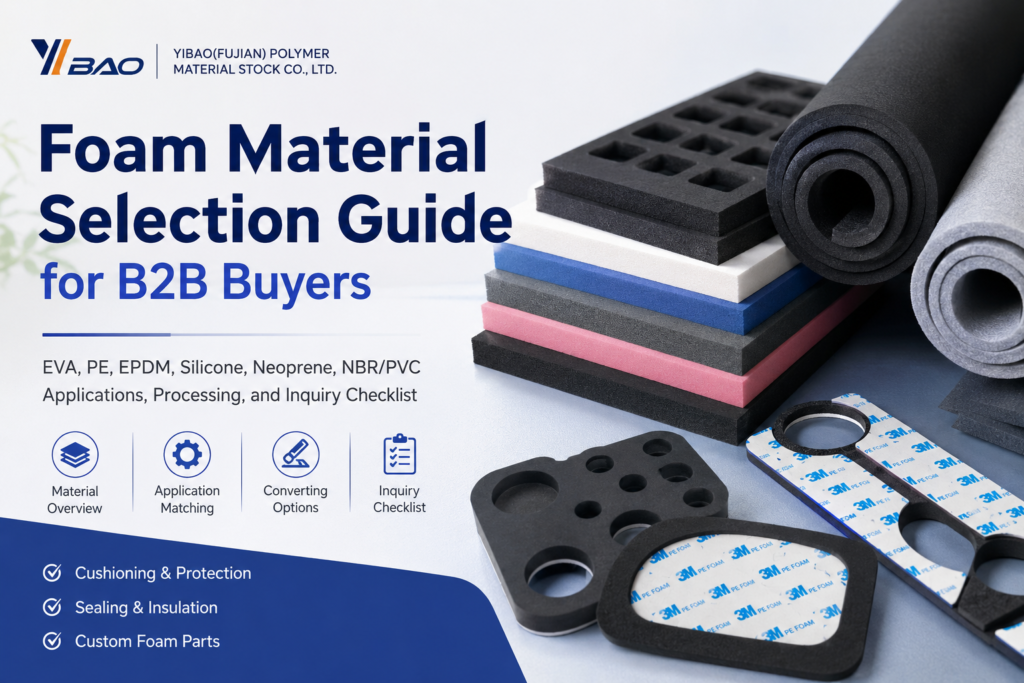
In an OEM project, choosing the right foam sheet affects more than material cost. Instead, it shapes cushioning feel, sealing pressure, cutting accuracy, lamination quality, packing safety and repeat production. Therefore, this guide compares EVA, PE, EPDM and silicone in a practical way, so project teams can match each option to real product use, sample testing and processing needs.
What Makes a Foam Material Sheet Suitable for a Project
First, material selection should begin with function. A pad for packaging does not face the same pressure as a gasket near a lamp housing. Likewise, an insulation layer inside equipment needs different behavior from a soft insert inside a carry case.
Therefore, the selection process should begin with a clear question: what job must the material perform after assembly? It may need to cushion, seal, insulate, support, space, protect, dampen vibration or improve hand feel. Once that job is clear, the material discussion becomes much easier.
In real projects, a simple request such as “black sheet, 5 mm thick” is usually not enough. It does not explain compression, surface contact, storage time, cutting method, adhesive needs or packing pressure. As a result, a sample may look correct but fail during trial assembly.
Practical judgment: A suitable sheet material should match the use scene, not only the material name. Function, thickness, density, surface feel, converting method and sample test results should be reviewed together.
Also, the project stage matters. Early development may only need rough sheet samples. However, pilot production often needs die-cut shapes, adhesive backing, lamination or packing checks. For that reason, material choice should connect with the next processing step.
EVA vs PE vs EPDM vs Silicone: How to Read the Differences
Next, EVA, PE, EPDM and silicone should not be compared only by price or hardness. Each family has a different structure, touch, recovery, cutting response and use environment. Therefore, the better comparison starts from the product scene.
EVA: lightweight cushioning and clean converted parts
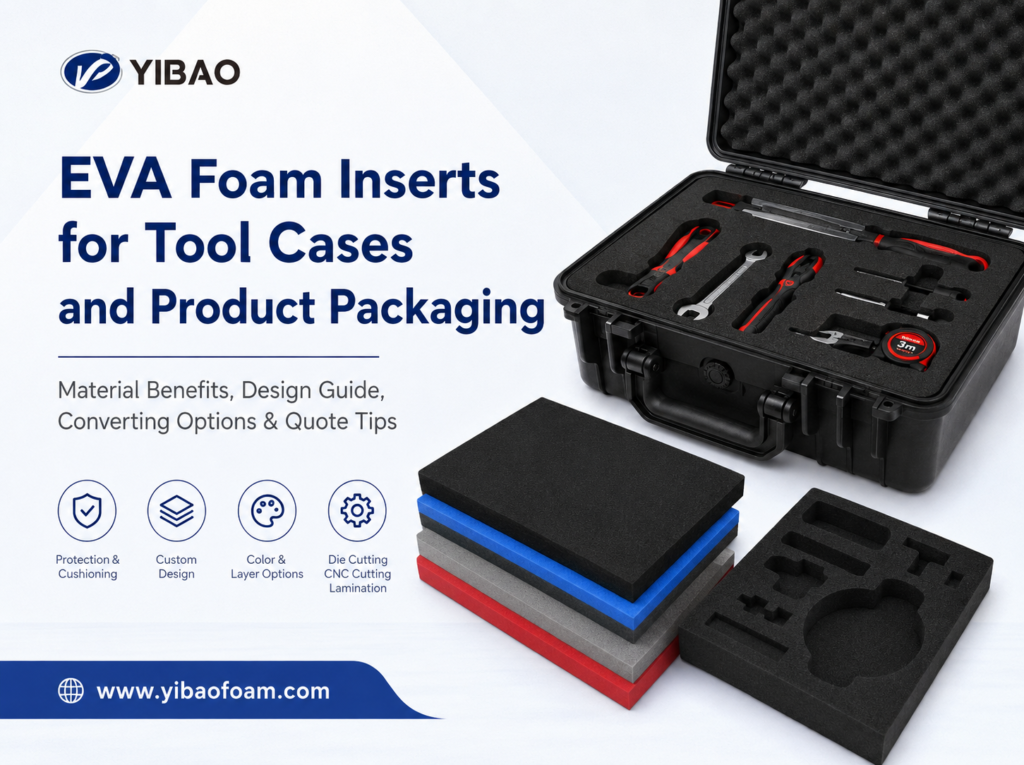
EVA is often selected when light weight, cushioning and clean processing are important. It can support protective inserts, sports pads, shoe materials, bag structures, case liners and functional pads. Also, different hardness levels make EVA useful when the same project needs several comfort or support options.
For example, an instrument case may need a firm insert that holds the product in place. Meanwhile, a sports pad may need softer compression and better hand feel. In both cases, EVA can be a practical starting point, but density and thickness still need sample testing.
However, EVA is not the best choice when the part must stay near high heat for long periods. It may also be less suitable for demanding sealing structures that need strong compression recovery after repeated pressure.
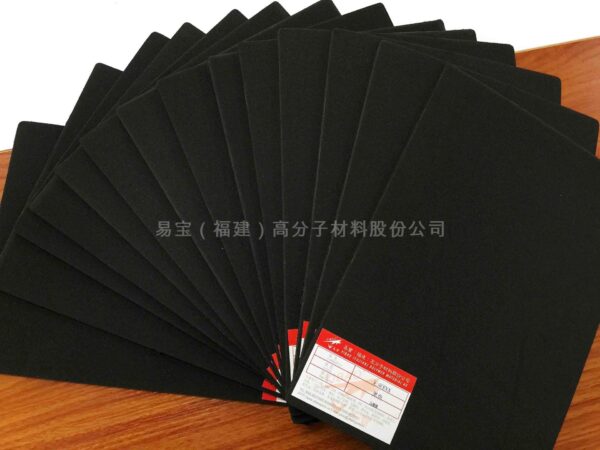 View Halogen-free EVA
 PE: clean protection and closed-cell cushioning
PE is useful when light weight, closed-cell structure and clean protection matter. A closed cell foam sheet can support packaging inserts, transport pads, spacing layers, case lining and general impact protection. Moreover, PE often works well when moisture resistance and simple handling are needed.
However, PE should still be tested inside the real package or assembly. A material that feels strong on a table may still need a different thickness or cavity design. For fragile products, drop direction, edge protection and surface contact should be checked before approval.
At the same time, PE may not be suitable for high-rebound sealing parts or areas that need a softer rubber-like feel. If the part must recover after repeated compression, EPDM or silicone may need review instead.
 View PE Foam Category
 EPDM: sealing, weather resistance and compression recovery
EPDM is often selected when sealing, weather resistance and recovery matter. A rubber foam sheet can support automotive seals, lamp seals, appliance pads, equipment spacers, building strips and vibration-control parts. Therefore, EPDM is a strong option when the material must stay stable under compression.
In longer strips, joint control also matters. A sealing strip with weak joints may affect air blocking, dust resistance or cushioning performance. Because of that, sheet size, strip length and cutting layout should be discussed before tooling.
However, EPDM may be more than necessary for simple display packaging or lightweight inserts. If the project mainly needs clean presentation and easy cavity cutting, EVA or PE may be more efficient.
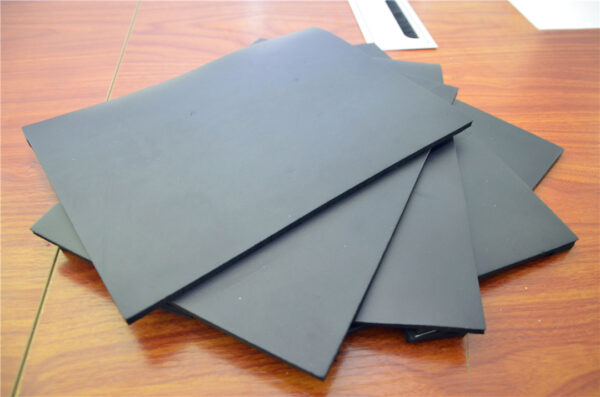 View Closed-cell EPDM
 Silicone: heat resistance, soft sealing and insulation
Silicone foam is suitable when heat resistance, insulation, soft sealing or flame-sensitive performance matters. It can support electrical pads, appliance seals, industrial insulation layers and high-temperature cushioning. Also, silicone often feels stable when softer compression is needed over time.
Still, silicone should not be selected only because the application sounds demanding. Temperature range, compression time, flame requirement, surface contact and cost target should be reviewed together. Otherwise, a simpler material may already meet the real requirement.
In addition, silicone may not be the most practical option for ordinary packaging pads or cost-sensitive cushioning parts. When heat and insulation are not important, EVA or PE may offer a simpler route.
Practical Selection Table for EVA, PE, EPDM and Silicone
The table below gives a simple starting point. However, it should not replace physical sample testing. Instead, it helps material and sourcing teams choose the first direction before drawings, samples and production checks begin.
| Material | Best for | Not ideal for | Suggested YIBAO page |
|---|---|---|---|
| EVA | Case inserts, sports pads, shoe materials, soft protective parts | High-heat sealing or long-term heavy compression | EVA Business Department |
| PE | Packaging protection, spacing, lining, transport cushioning | Rubber-like sealing or strong rebound recovery | PE FOAM |
| EPDM | Seals, gaskets, appliance pads, automotive strips, shock absorption | Simple display packaging where light presentation matters more | EPDM Division |
| Silicone | Heat-resistant seals, insulation pads, electrical cushioning | Basic cushioning when heat or insulation is not required | Silicone Division |
In short, the table should guide the first review, not close the decision. Actual performance depends on thickness, density, surface contact, cutting method, compression and the final use environment.
Thickness and Density: How to Avoid the Most Common Mistakes
Thickness looks simple, but it changes how the part feels and works. A thicker sheet may improve cushioning, yet it may create too much pressure inside a tight assembly. Meanwhile, a thinner sheet may fit the gap but lose support under load.
Density also affects the final result. A low-density material may reduce weight and cost. However, a higher-density material may provide stronger support, cleaner cutting or better shape holding. Therefore, density should be compared with compression needs, not only with price.
For packaging, the key question is usually product weight and drop risk. For sealing, the key question becomes compression recovery. For insulation, the team should check temperature range and contact surface. In each case, the same thickness can behave differently across materials.
- Use thinner materials for light spacing, lining or surface protection.
- Use medium thickness for inserts, pads and general cushioning.
- Use thicker materials only after confirming compression and fit.
- Compare density with the real load, not only with the sample feel.
- Test the final thickness after adhesive backing or lamination.
Additionally, measurement method should stay consistent. Flexible foam can show different readings under different pressure. A clear inspection method prevents confusion between sample approval and repeat production.
Cutting, Lamination and Custom Foam Sheet Processing
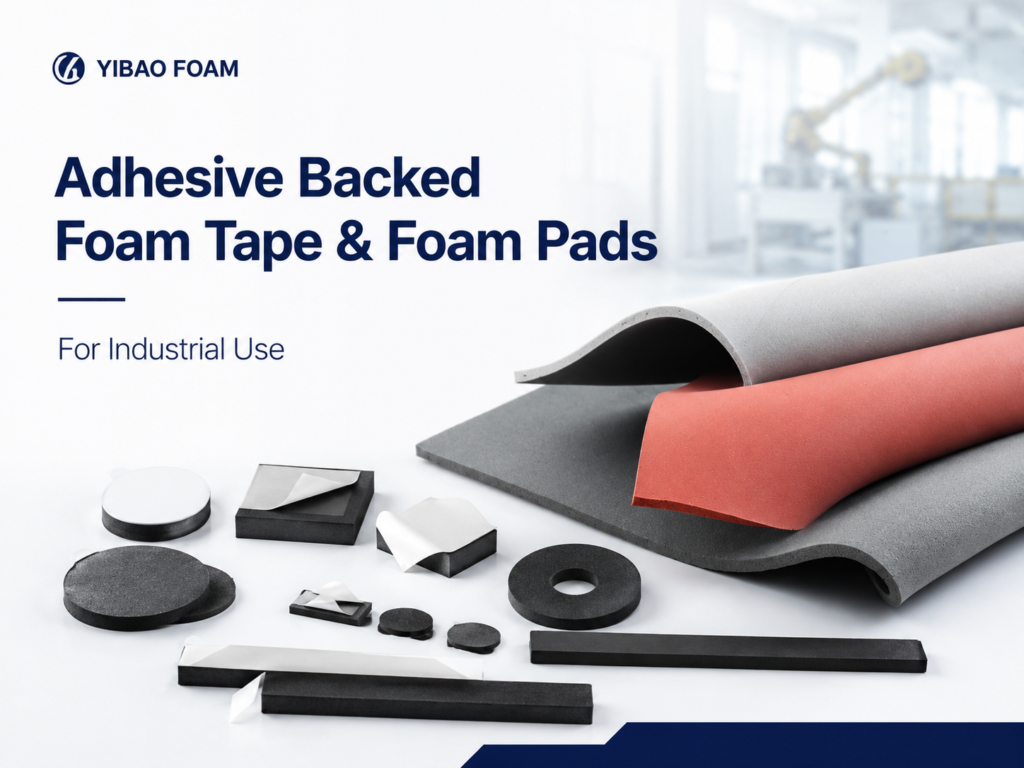
Processing is where sheet material becomes a usable part. A project may need slicing, skiving, die cutting, roll slitting, adhesive backing, fabric bonding, film lamination or shaped cavity cutting. Therefore, process planning should happen before final approval.
A custom foam sheet may need tighter control than a standard stock sheet. For example, narrow strips can stretch during cutting. Small holes can deform. Thin adhesive-backed pads can curl if the liner and storage method are not suitable.
Also, lamination changes the way material behaves. A fabric layer may improve appearance and touch. A film layer may protect the surface. An adhesive layer may improve assembly speed. However, each added layer changes thickness, flexibility and edge behavior.
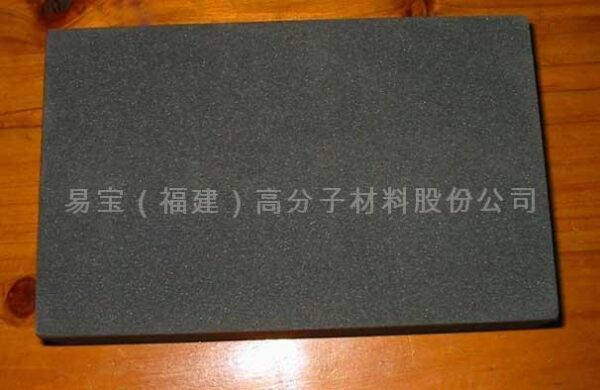 View YB-5025 Silicone Rubber
 Processing details to confirm early
- Final size, tolerance, hole position and corner radius.
- Sheet thickness before and after adhesive or lamination.
- Cutting method, edge cleanliness and surface mark limits.
- Adhesive type, liner style, peel direction and storage condition.
- Packing format that prevents bending, sticking or compression marks.
As a result, processing support should be part of material selection. A sheet that looks suitable in raw form may still need a different hardness, density or surface finish after converting.
Sample Checklist Before Moving to Production
Sample testing should answer real questions. Will the insert hold the product firmly? Will the gasket recover after compression? Will the pad stay flat after adhesive backing? Will the sheet surface remain clean after cutting and packing?
Therefore, the sample request should include use scene, material direction, thickness, density, hardness, size, drawing, surface contact, compression condition and expected processing method. A simple photo of the assembly area can also make the first recommendation more accurate.
Useful information for sample requests
- Application type: sealing, cushioning, insulation, lining, spacing or protection.
- Target material family: EVA, PE, EPDM, silicone or open alternative.
- Thickness, density, hardness, color and surface finish.
- Drawing, CAD file, sketch or sample photo.
- Temperature, moisture, vibration, pressure and storage conditions.
- Adhesive, liner, fabric, film, coating or lamination needs.
- Pilot quantity, repeat volume and packing expectations.
After testing, feedback should be specific. Photos, measured thickness, compression notes, cutting comments, odor observations, peel behavior and fit results are all useful. In contrast, vague feedback slows the next adjustment.
Finally, a pilot batch helps confirm repeatability. It checks cutting stability, packing pressure, inspection method and assembly handling. This step often prevents small sample issues from becoming production problems.
FAQ: EVA, PE, EPDM and Silicone Sheet Selection
Which material is best for a Foam Sheet project?
The best material depends on the function. EVA often suits cushioning and inserts. PE often suits closed-cell protection. EPDM often suits sealing and recovery. Silicone often suits heat, insulation and soft compression.
When should closed cell material be considered?
Closed-cell material is useful when the project needs low water absorption, clean cushioning, stable spacing or protective packaging. However, thickness, density and compression should still be tested in the final use scene.
Is rubber foam better than EVA or PE?
Rubber foam is not always better. It is usually stronger for sealing, weather exposure and compression recovery. EVA or PE may be better when light weight, clean inserts, packaging protection or easy cutting matter more.
When does custom processing become necessary?
Custom processing becomes necessary when the part needs die cutting, adhesive backing, lamination, special thickness, shaped cavities, tight tolerance or production-ready packing. Standard sheets are useful for early testing.
What should be included in a sample inquiry?
A sample inquiry should include application, material direction, thickness, density, hardness, size, color, surface contact, compression condition, processing needs and expected volume. This information helps reduce unnecessary sample rounds.
Conclusion: Choose by Function, Then Confirm by Sample
In summary, EVA, PE, EPDM and silicone each solve different problems. EVA supports lightweight cushioning and clean converted parts. PE supports closed-cell protection and lining. EPDM supports sealing and recovery. Silicone supports heat resistance and insulation.
Therefore, material choice should start with the real product scene. After that, thickness, density, cutting, lamination, packing and sample testing should confirm whether the selected option can move into production.
- First, define the job of the sheet material before comparing grades.
- Second, test samples inside the real assembly or package.
- Finally, confirm cutting, lamination and packing before repeat production.
For material advice, sample requests or custom processing discussion, contact YIBAO Foam through the Contact page.
A practical foam sheet choice should make production easier, not only make a material list longer.