In soft goods production, many problems only appear after the first sample is touched, folded, stitched, or packed. A sleeve may look clean in a photo but feel weak at the corners. A support wrap may stretch well on a table but twist after sewing. Therefore, neoprene fabric matters because it combines foam cushioning with a textile surface, helping laminated soft goods feel more comfortable, stable, and production-ready.
This article does not treat the material as a parameter sheet. Instead, it explains the real use scenes, the reasons behind common material problems, the judgment methods before bulk production, and how YIBAO Foam can support laminated foam projects through material selection and converting.
Why Material Feel Matters More Than a Single Parameter
First, laminated soft goods are judged by touch. A person picks up a laptop sleeve, bends a bottle holder, pulls a sports wrap, or presses a protective pad before thinking about technical numbers. If the product feels too flat, too stiff, too loose, or too bulky, the material decision has already affected the final impression.
However, that feeling does not come from thickness alone. It comes from the foam base, the surface fabric, the lamination method, the stretch direction, the cut edge, and the way the material reacts after pressure. Therefore, a good laminated foam material must be judged as a full structure rather than a single sheet.
In real production, this becomes easy to see. A soft foam may feel comfortable as a flat sample, but it may collapse after repeated compression. A firmer foam may hold shape well, yet it may create hard seams. Meanwhile, a beautiful fabric face may look premium, but it may fray or pucker when stitched.
That is why product development should start with the use scene. A wearable support needs recovery and comfort. A sleeve needs protection and shape. A desk mat needs surface flatness. A cover needs durability and clean edges. Each scene asks the material to behave in a different way.
In other words, the material should be chosen around the product’s real life. It has to survive bending, cutting, sewing, packing, transport, storage, and repeated daily handling. Once this logic is clear, the selection process becomes much easier and more reliable.
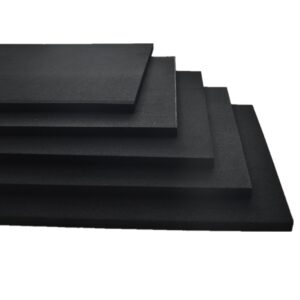 View Neoprene Material Options
How Laminated Foam Fabric Works in a Simple Way
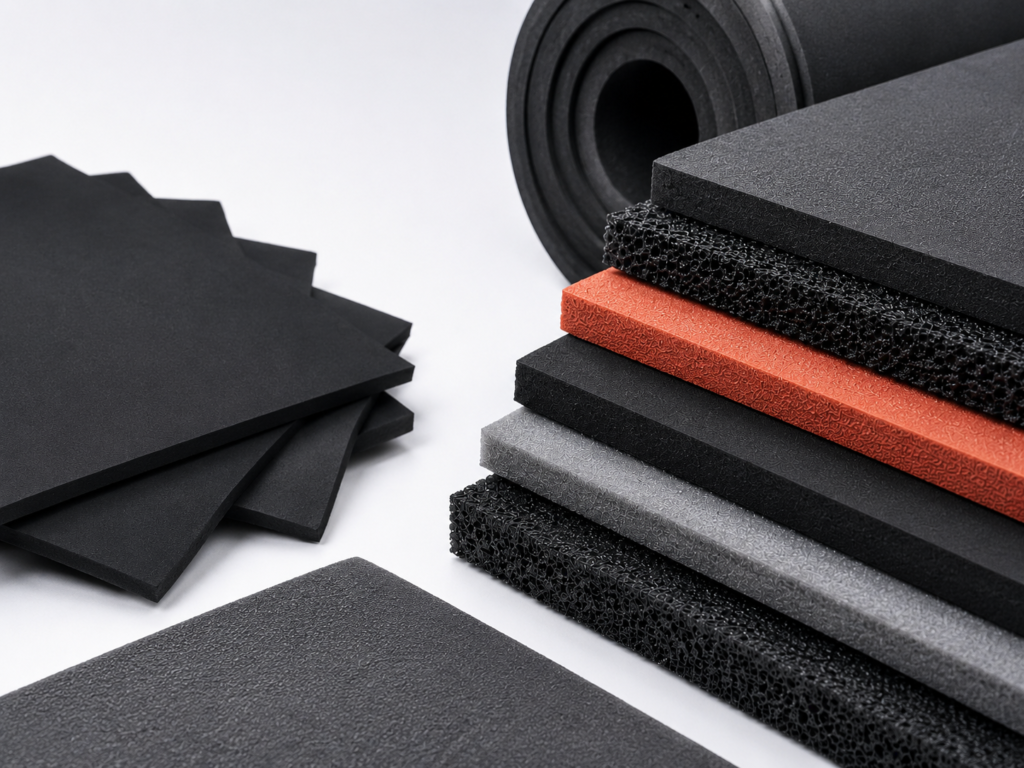
The principle is simple. The foam layer gives cushioning, warmth, rebound, and soft structure. The fabric layer gives touch, appearance, colour, sewing stability, and a more finished surface. Through lamination, both layers become one material that can be cut and assembled more efficiently.
For basic material context, Britannica describes neoprene as a synthetic rubber valued for resilience and resistance to oil, flame, oxygen, and ozone. In laminated soft goods, those material characteristics still need to be matched with foam thickness, surface fabric, cutting method, and real product use.
Still, the final result is not just foam plus cloth. The adhesive layer, pressure, heat, foam density, fabric stretch, and surface texture all change how the material behaves. As a result, two laminated sheets with the same thickness may feel completely different in use.
For example, a soft jersey surface can make a sports support feel easier to wear. Meanwhile, a firmer surface can help a laptop sleeve hold a cleaner outline. A smoother surface may work better for a branded lifestyle item, while a textured surface may help a protective wrap feel more secure in the hand.
Therefore, laminated foam fabric should be evaluated by function and feeling together. The question is not only “how thick is it?” The better question is “what does this material help the final product do?”
This is also why neoprene fabric is useful for product teams that need more than a plain foam sheet. It gives the product a softer user experience, a more complete surface, and a better base for cutting, stitching, binding, printing, or further converting.
For projects that need to compare SBR, SCR, and CR foam directions, the NEOPRENE SBR SCR CR Division can be used as a relevant material reference before confirming the final laminated structure.
Fabric Surface Choices: Start With Touch, Not Decoration
Next, the surface fabric should be chosen by touch and use scene. A soft jersey face can make a product feel more comfortable. This matters for knee sleeves, wrist supports, elbow wraps, diving accessories, and fitness products that stay close to the body.
At the same time, a smoother surface can support lifestyle goods and device protection. Laptop sleeves, tablet covers, camera pouches, bottle holders, and soft cases often need a clean surface that looks controlled and feels easy to handle.
A textured surface can help when grip matters. Tool wraps, straps, handling pads, or outdoor accessories may benefit from more friction. However, grip should not be confused with roughness. A good surface should still match the product’s appearance and use experience.
Single-side lamination works when only one side needs fabric. It can reduce bulk and keep the other side simpler. This may suit certain liners, panels, and hidden parts. However, the exposed edge should be checked because the foam core may be visible after cutting.
Double-side lamination gives a more complete feel. It works well for wraps, sleeves, braces, and soft accessories that are touched on both sides. However, it can also make the material feel thicker, so the seam and fold should be tested before approval.
A simple test is useful here. Place the material where the hand will touch it most. Then bend it where the product bends. Finally, stitch a small edge and check whether the surface puckers or shifts. This method gives better answers than selecting a surface from appearance alone.
When a Softer Surface Works Better
A softer surface works better for wearable or hand-contact products. It reduces the feeling of stiffness and makes the product easier to keep on the body or hold in the hand. Therefore, soft jersey laminated foam can make a support wrap or sleeve feel more friendly.
However, softness still needs control. If the surface stretches too much, the product may twist after sewing. If the foam compresses too easily, the product may feel good at first but lose shape too quickly.
When a Firmer Surface Works Better
A firmer surface works better for structured soft goods. Laptop sleeves, camera cases, tool covers, and padded panels need a cleaner outline. In these products, a slightly firmer surface can make the final item look more stable and professional.
However, too much firmness may create hard corners and bulky seams. Therefore, the best material is not always the strongest-looking one. It is the one that keeps shape while remaining easy to cut, fold, sew, and pack.
Thickness and Hand Feel: The Practical Way to Judge
Thickness is easy to write down, but hand feel is harder to define. A thin material can feel premium if it has good recovery and a stable surface. Meanwhile, a thick material can feel cheap if it collapses, wrinkles, or creates heavy seams.
For light soft goods, thinner laminated foam often works well. Small pouches, trims, flexible covers, protective strips, and light accessories need lower bulk. As a result, the finished item can fold more naturally and remain easier to sew.
For sleeves, cases, and general soft goods, medium thickness usually gives a better balance. It can protect the item inside while keeping the product easy to hold. In addition, it often gives enough body for a clean panel shape.
For outdoor pads, diving accessories, protective wraps, and thicker covers, more foam volume may be needed. However, thicker material should always be checked at the folded edge. A material that feels protective in the center may become difficult at the corner.
One useful method is the bend test. Bend the sample around the tightest curve in the product. If the surface wrinkles or the foam resists too much, the structure may be too firm. If it collapses and does not recover, the foam may be too weak for the application.
Another useful method is the seam test. Sew or bind a short edge using the real production method. Then check whether the seam looks clean, whether the surface puckers, and whether the foam creates a hard ridge.
For sleeve panels, a one-corner hold test also helps. Hold the sample from one corner and watch whether the panel keeps a controlled shape. If it drops too much, the final sleeve may look loose, even if the foam still cushions well.
Scene-Based Selection: Match the Material to the Product’s Real Life
A good selection process starts with the scene. Imagine the product being opened, worn, squeezed, folded, packed, carried, and used again. This picture is more useful than a long list of parameters because soft goods succeed through repeated contact.
For sports supports, movement is the main scene. The material should stretch, recover, and stay comfortable. It should not dig into the skin at seams. It should also hold its support after repeated bending.
For laptop sleeves and tablet covers, daily handling is the main scene. The product is pulled from a bag, placed on a desk, opened, closed, and carried again. Therefore, the material needs cushioning, surface smoothness, and enough panel body.
For bottle holders and can coolers, repeated squeezing is the main scene. The material wraps around a cylinder and is held by hand. In this case, insulation, flexibility, seam comfort, and surface feel all matter.
For outdoor accessories, the scene is rougher. Moisture, friction, packing pressure, and repeated compression may appear. Therefore, foam recovery and lamination strength become more important than appearance alone.
For promotional goods, first impression is the main scene. Mouse pads, desk mats, drink sleeves, and gift items need clean surface presentation. The material should cut neatly, stay flat, and support decoration without looking unstable.
For industrial soft protection, function leads the decision. Tool wraps, transport pads, separators, covers, and liners need cushioning and durability. In this area, edge quality, compression behavior, and part consistency often matter more than a decorative surface.
Four Questions Before Choosing a Material
First, what will the material touch most often? Skin, electronics, tools, bottles, and fabric surfaces all need different levels of softness and protection.
Second, how will the product move? A support bends and stretches. A sleeve stays flatter. A bottle holder squeezes around a round shape. Movement should guide foam recovery and surface choice.
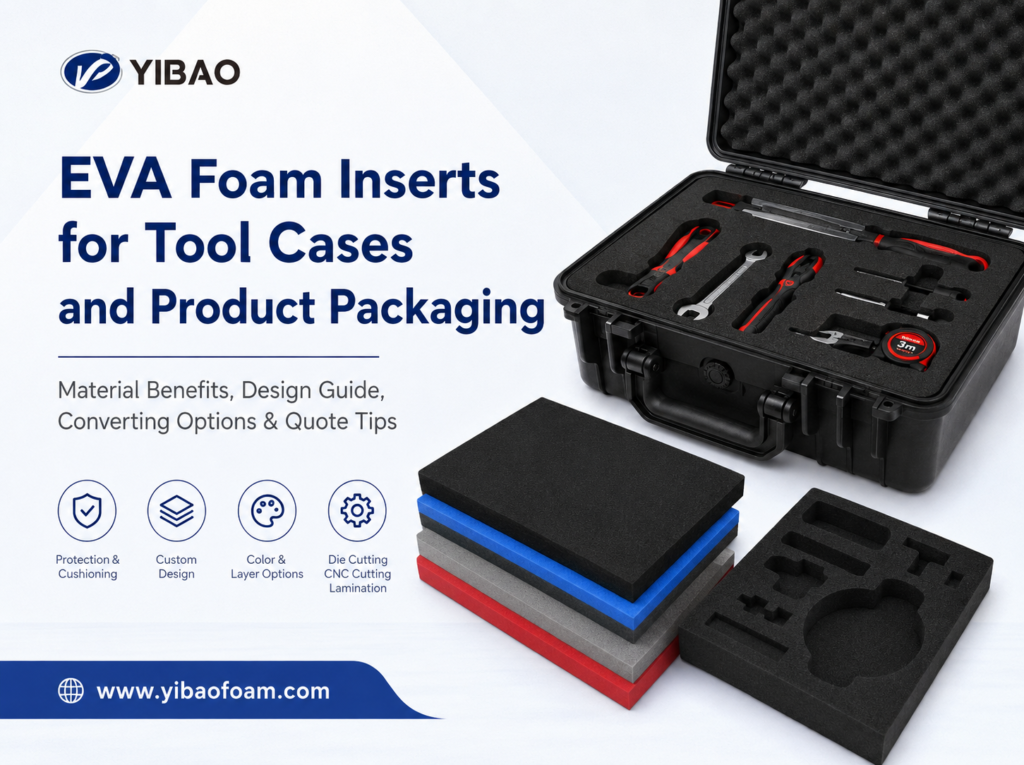
Third, how will the product be assembled? Sewing, die cutting, CNC cutting, slitting, adhesive backing, and binding all place different stress on the material.
Finally, what should the product feel like when held? Sporty, protective, premium, technical, practical, or lightweight products should not all use the same material mood.
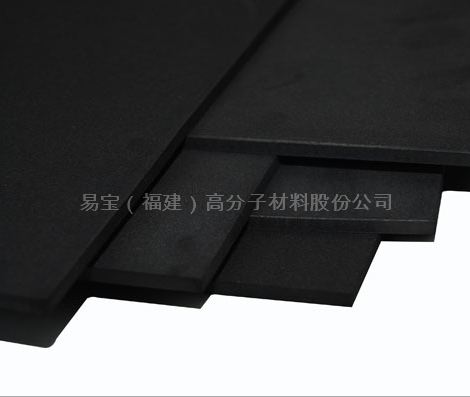 View YB-2030 CR Foam
Roll Supply, Cutting, and Converting: Where Samples Become Production
After a sample feels right, production planning becomes the next test. A good material can still create waste if the roll width does not fit the cutting layout. A nice surface can still slow down production if the edge stretches during cutting.
Roll width should match part layout. Large panels may use wider rolls more efficiently. Narrow straps, small pads, and trims may need another format. Therefore, roll planning should happen before bulk material approval, not after production starts.
Cutting method also changes the result. Die cutting works well for repeated shapes once the drawing is stable. CNC cutting works better for sampling, complex shapes, and early-stage development. Slitting works for strips, straps, and narrow components.
Edge quality deserves attention. If the fabric lifts, frays, or stretches at the edge, the final product may look less refined. For visible edges, binding or stitching may help. For hidden edges, clean cutting may be enough.
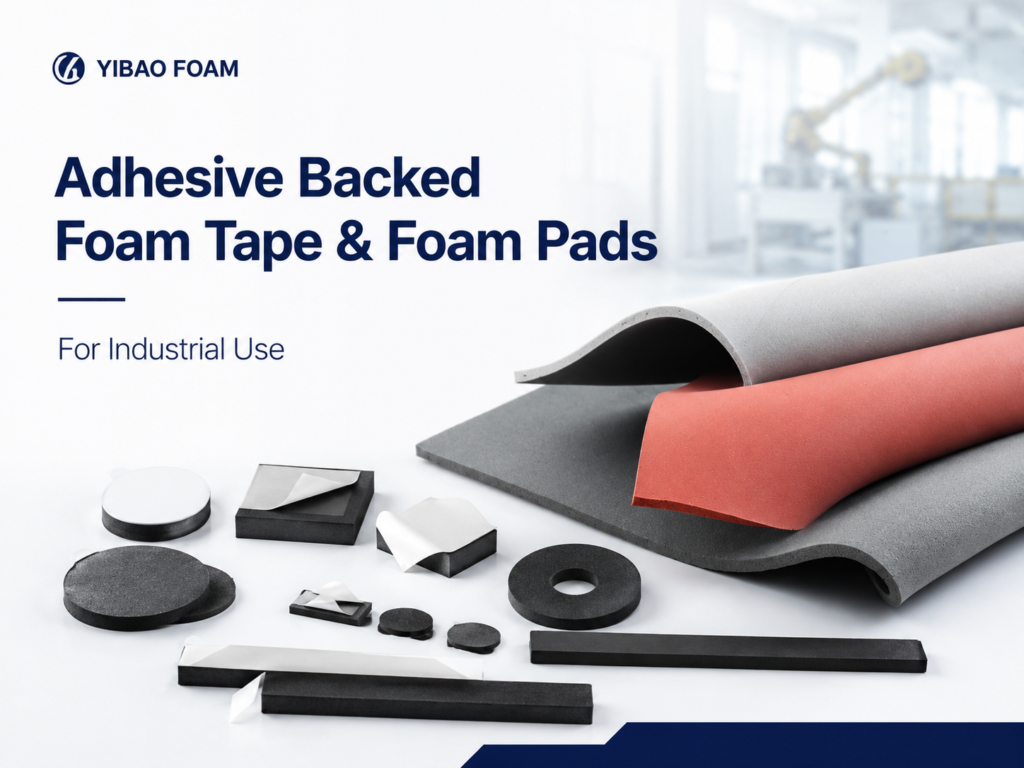
Adhesive backing can support pads, liners, protective strips, and assembly-ready parts. However, adhesive should be tested on the real surface. Painted metal, plastic, textile, and film surfaces can behave very differently.
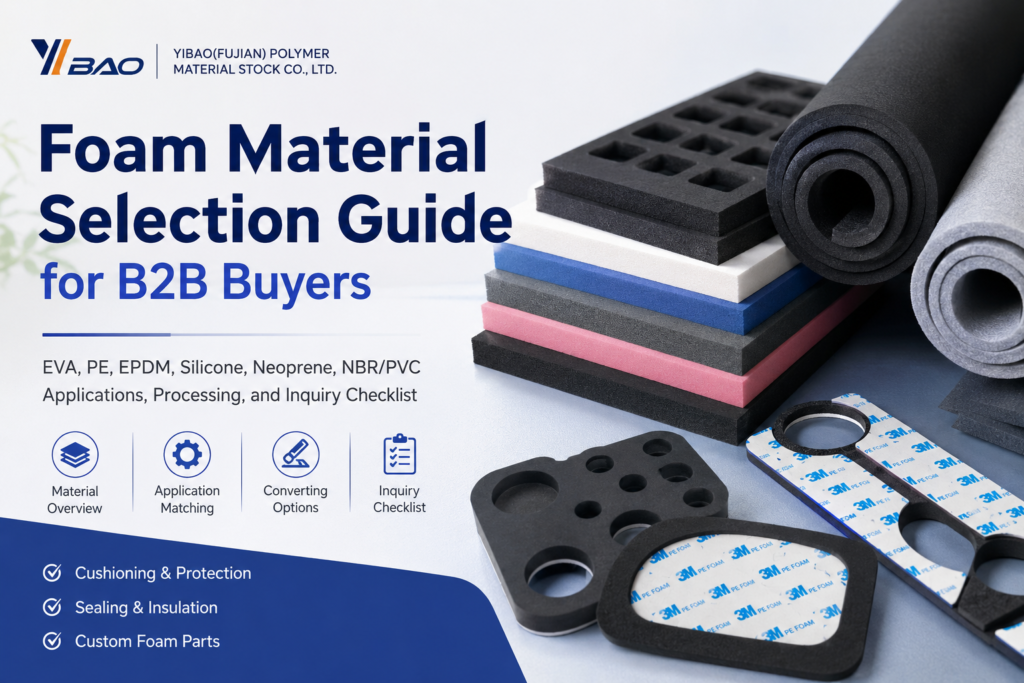
For projects that need slicing, die cutting, CNC cutting, slitting, lamination, adhesive backing, or shaped parts, YIBAO Foam’s Converting page is a more relevant internal path than sending every visitor to one product page.
Practical Selection Table for Laminated Foam Projects
The table below is a practical starting point. It avoids over-focusing on technical numbers and connects each material direction with real product scenes.
| Material / Format | Best For | Main Value | Suggested YIBAO Page |
|---|---|---|---|
| SBR-based laminated foam | Bottle holders, basic sleeves, soft covers, promotional goods | Flexible cushioning with practical cost control | NEOPRENE SBR SCR CR Division |
| SCR blend direction | Sports supports, flexible panels, mid-range soft goods | Balanced stretch, recovery, and comfort | SBR SCR CR Division |
| CR foam direction | Protective sleeves, outdoor soft goods, stronger panels | Cleaner body and stronger recovery | CR Foam Options |
| Functional CR option | Technical pads, covers, selected industrial soft goods | More controlled performance for demanding use | YB-2030 CR Foam |
Sample Review: How to Know the Material Really Works
A useful sample review should be close to the real product. First, cut the material into the actual shape. A rectangle swatch is too easy. Real corners, curves, seam allowances, and fold lines reveal more.
Next, sew or bind a short edge. This step shows whether the foam compresses neatly and whether the fabric surface shifts. If the seam looks uneven at sample stage, it will probably create more trouble in bulk production.
Then, compress the sample and check recovery. A sleeve should not stay dented after pressure. A support wrap should not lose body after movement. A protective pad should still feel useful after packing and handling.
After that, test the surface under normal light. Some fabrics show marks, pressure lines, or colour differences more clearly under certain angles. If the final product includes a logo, print, label, or heat transfer, decoration testing should happen on the exact laminated surface.
Finally, pack the sample like the finished product. Tight packing can expose fold memory and pressure marks. This small step often prevents problems that do not appear during a simple table review.
Extended Reading and Related YIBAO Foam Pages
For a cleaner internal link structure, these pages support different search and conversion intentions without forcing every anchor to the homepage.
Conclusion: Let the Product Scene Decide the Material
In summary, laminated foam fabric should not be selected like a simple sheet material. It should be judged by how the finished product feels, moves, folds, protects, and survives production. A support wrap, a laptop sleeve, a bottle holder, and an industrial cover all need different material behavior.
Therefore, the better path is clear. Start with the scene. Understand why the material must behave that way. Test the sample through cutting, sewing, bending, compression, decoration, and packing. Then connect the approved material to roll supply and converting.
YIBAO Foam can support foam base comparison, laminated surface selection, sample review, roll planning, and custom converting for soft goods projects. For material suggestions, sample matching, drawings, or production-ready processing plans, send project details through the Contact page.
Three Practical Actions Before the Next Sample Round
- First, cut and sew a real product shape instead of approving a flat swatch only.
- Second, judge softness, panel body, edge quality, recovery, and packing marks together.
- Finally, confirm roll width, cutting method, and converting needs before bulk material approval.
FAQ
What is neoprene fabric used for in soft goods?
Neoprene fabric is used when a product needs foam cushioning and a textile surface at the same time. Common uses include sports supports, laptop sleeves, bottle holders, soft cases, protective covers, desk mats, wraps, and outdoor accessories.
How is laminated neoprene fabric different from plain foam sheet?
Laminated neoprene fabric combines a foam base with one or two fabric surfaces. Plain foam sheet mainly provides cushion or structure, while laminated material also improves touch, appearance, sewing stability, colour options, and product handling.
What should be checked before ordering a neoprene fabric roll?
Roll width, thickness, surface fabric, colour, stretch direction, lamination type, cutting layout, packing method, and final assembly process should be reviewed. A real part sample is more reliable than a small flat swatch.
Can laminated foam fabric be die cut or CNC cut?
Yes. Many laminated foam materials can be die cut, CNC cut, slit, sheet cut, adhesive backed, or converted into shaped parts. The best method depends on part shape, thickness, edge requirement, and production volume.
How does a supplier support laminated foam projects?
A practical supplier helps compare foam base options, surface fabric choices, roll formats, sample tests, cutting methods, and converting routes. This support helps move from material idea to stable production more smoothly.
Need a Sample, Material Match, or Custom Converting Plan?
Send the application, target thickness, surface fabric preference, roll format, cutting method, product photo, or drawing. YIBAO Foam can help match the right laminated foam structure and prepare a more production-ready material plan.
Request Foam Material Support