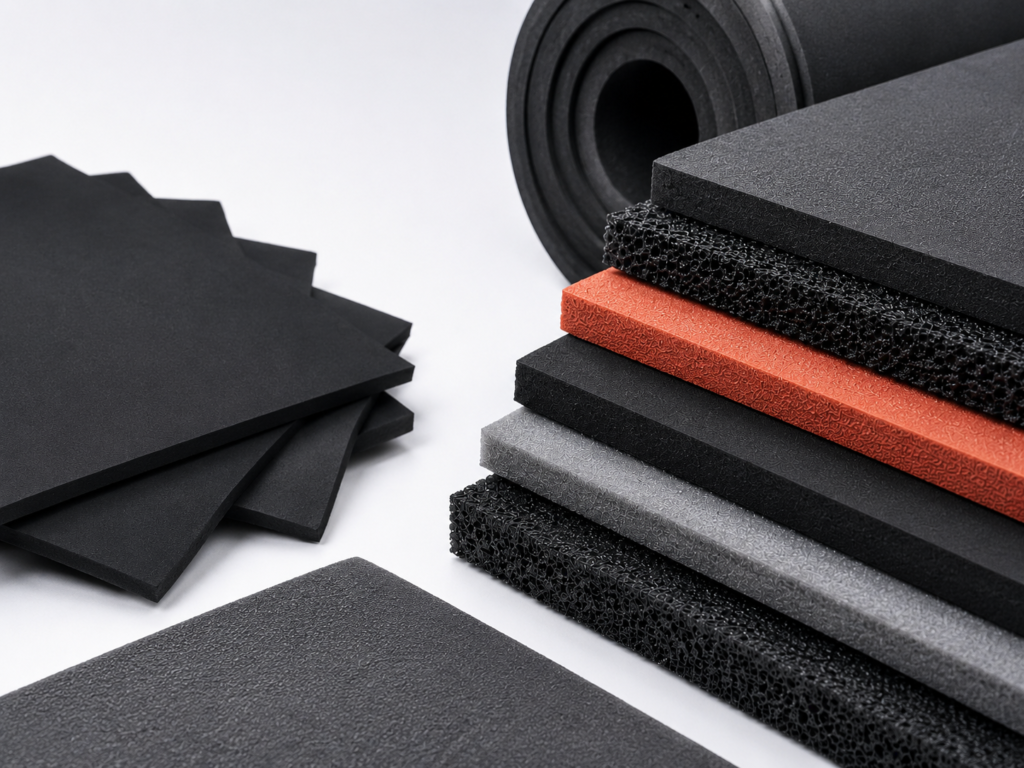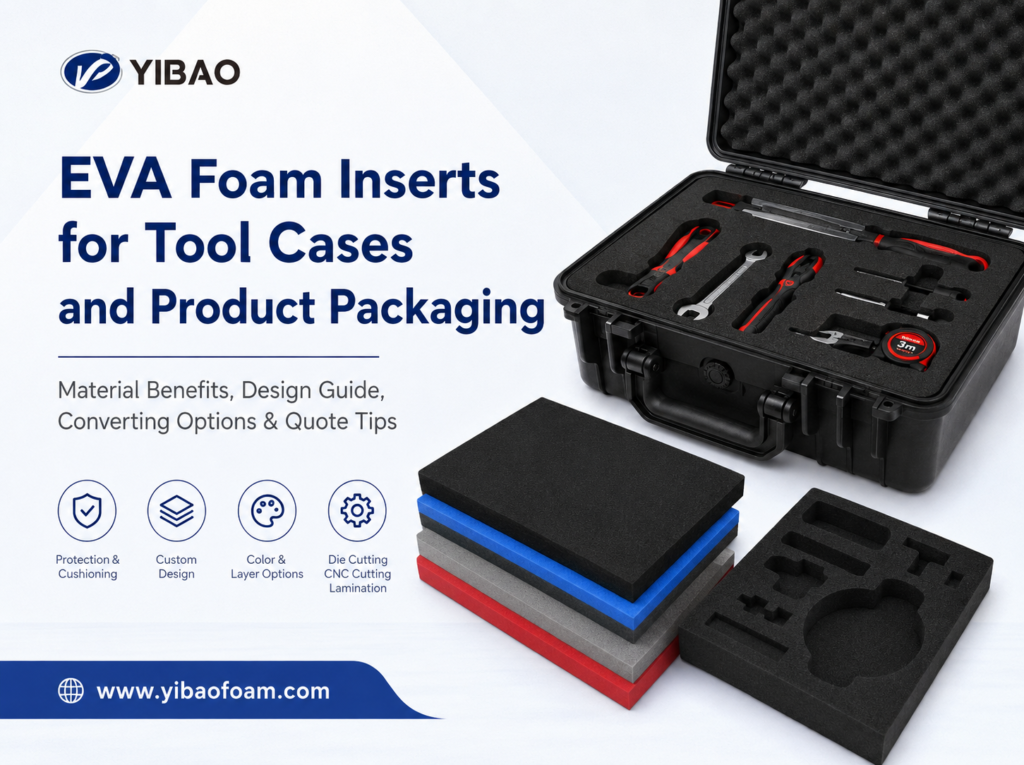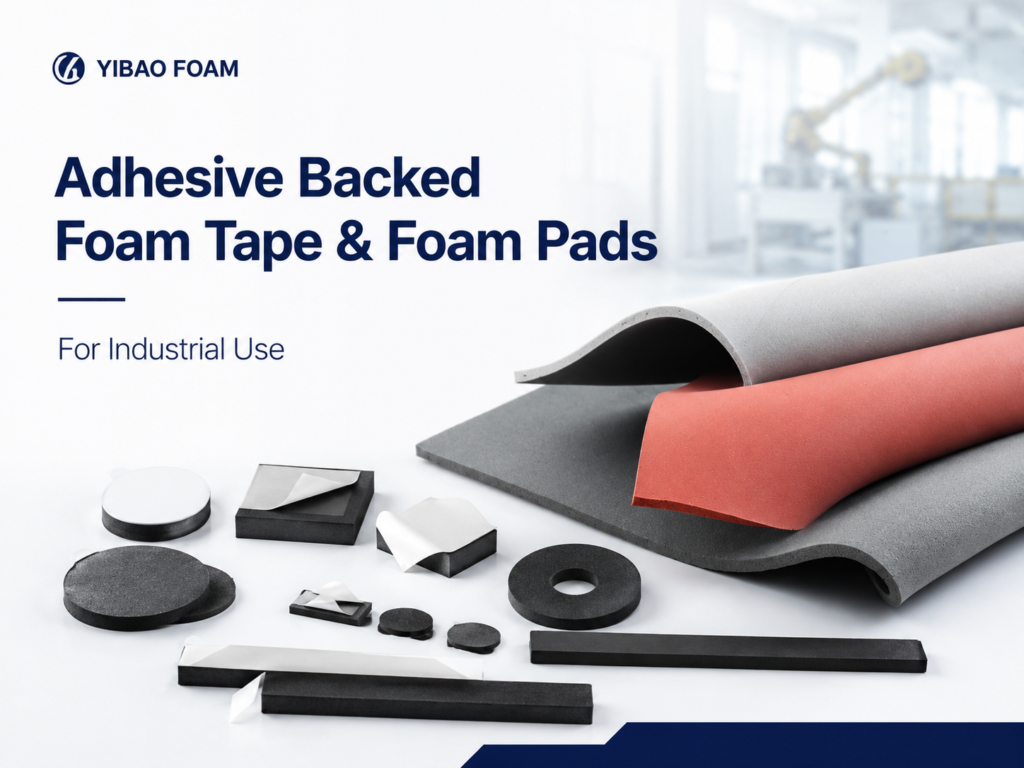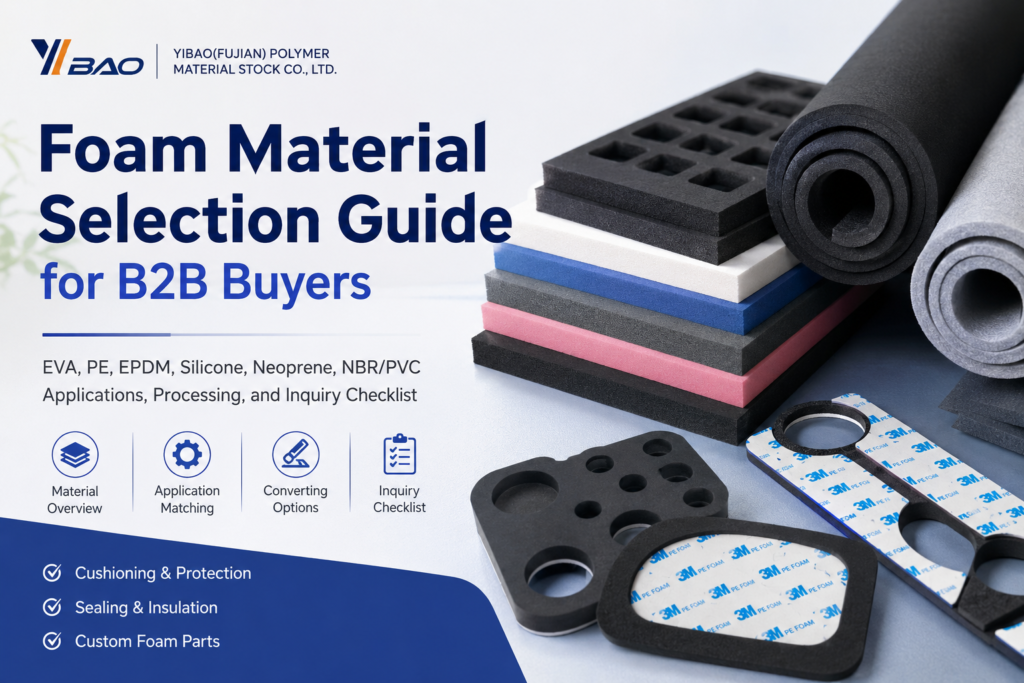
For lightweight carton protection, PE foam works best when a package needs clean cushioning, low weight, simple handling and closed-cell protection at the same time. Instead of choosing by thickness alone, a stronger decision starts with carton space, product weight, surface sensitivity, stacking pressure, transport vibration and packing speed. Therefore, this guide focuses on PE liners, separators, corner pads, edge blocks, cushioning layers and converted packaging parts for OEM projects.
Why PE Foam Sheet Works for Lightweight Carton Protection
In export packaging, every layer inside the carton has a job. A liner may stop two parts from rubbing. A separator may keep accessories in place. A corner pad may protect a fragile edge during stacking and transport.
Therefore, PE sheet material is useful when the package needs protection without becoming heavy or complicated. It can add a clean buffer between the product and carton wall. It can also support simple packing steps on a production line.
For example, painted metal parts may need a soft contact layer to reduce scratches. Plastic housings may need side pads to stop movement during vibration. Small electronics may need separators that prevent chargers, cables and sensors from knocking together.
Practical judgment: PE packaging is strongest when the goal is clean, lightweight and repeatable protection. It is not mainly a premium display insert material. It is more useful for liners, pads, separators, edge blocks and simple cushioning structures.
Also, PE helps when carton space is limited. A shaped insert may look neat, but it may take too much room. In contrast, sheet liners and corner pads can protect key contact points while keeping the package compact.

Closed-Cell PE Foam Basics for Cushioning and Moisture Control
Next, closed-cell structure is one reason PE performs well in packaging. Closed-cell means most cells inside the material are separated from each other. As a result, the sheet can resist water absorption better than many open-cell cushioning materials.
A closed cell PE foam structure helps packaging teams create light liners, spacers and protective pads for products that may face humidity, warehouse storage or surface contact. However, the full carton design still matters.
For moisture-sensitive products, the PE layer should not be treated as the only protection. Carton sealing, bagging, desiccant planning and storage conditions still need review. In other words, PE supports the package, but it should work with the full packing system.
Meanwhile, closed-cell cushioning should be tested under pressure. A sheet may feel firm on the table, yet it may compress after stacking. Therefore, the sample should be checked after carton closing, pallet stacking and short storage.
Liners, Separators and Corner Pads: How PE Packaging Is Usually Used
In a real carton, PE rarely works as one large block only. Instead, it often appears as a liner, separator, side pad, bottom cushion, corner pad or edge strip. Each format protects a different risk point.
A liner protects surfaces from carton abrasion or part-to-part rubbing. It is useful for painted panels, plastic shells, glass surfaces and finished metal parts. However, the liner should be thin enough to avoid extra pressure when the carton closes.
A separator keeps small parts apart. It can divide cables, accessories, spare parts, fittings or hardware kits. If the separator is too thin, parts may still shift. If it is too thick, packing speed may drop.
A corner pad protects the edge that receives impact first. This is useful for square housings, framed products, instruments, panels and boxed components. However, corner pads should match the actual drop direction and stacking pressure.
Therefore, a good PE packaging layout does not simply add more foam. It protects the contact points that carry risk. This reduces material waste and keeps the package easier to assemble.

Practical Selection Table for PE Lightweight Packaging
The table below helps clarify how PE formats support different packaging risks. However, final approval should still include carton testing, product loading and shipping simulation where needed.
| Material / Format | Best for | Key property | Suggested YIBAO page |
|---|---|---|---|
| PE liner | Surface protection, carton wall contact, part-to-part separation | Clean contact, low weight, easy cutting | PE FOAM |
| PE separator | Accessories, cables, small parts, hardware kits | Spacing control, simple handling, flexible layout | PE FOAM |
| PE corner pad | Edge protection, drop risk points, stacked cartons | Local support, cushioning, low material weight | Application |
| Converted PE pad | Repeat packaging, side pads, strips, laminated parts | Repeat size, clean cutting, faster packing | Converting |
In short, PE format selection should follow the risk point. Surface risk needs a liner. Movement risk needs separators or side pads. Edge risk needs corner protection. Workflow risk may need converted parts with repeat size.
Packing Workflow Checks: Weight, Carton Closing and Stacking Pressure
A packaging material should protect the product, but it should not slow the line. During packing, operators need to place liners, insert parts, add separators and close cartons without repeated adjustment. Therefore, workflow testing is as important as material testing.
Carton closing pressure is a common problem. If PE pads are too thick, the carton may bulge or press against the product. If pads are too thin, the product may move during transport. A simple closing test can show whether the thickness is realistic.
Stacking pressure is another concern. A package may look fine on a desk, yet deform after cartons are stacked in a warehouse. For products with sensitive surfaces, this can create pressure marks or shifting after storage.
Therefore, PE packaging should be checked after real or simulated stacking. The useful observation is not only whether the material compresses. It is whether the product position, surface condition and carton shape stay acceptable after pressure.
Cutting and Lamination for PE Foam Sheet Packaging
Cutting turns PE sheet into packaging parts that are easier to repeat. Straight cutting can create liners and pads. Slitting can create edge strips or narrow separators. Die cutting can support higher-volume shapes when the layout is fixed.
A PE foam sheet may also need film, adhesive or other laminated layers when the package needs a cleaner surface or faster assembly. However, every added layer changes thickness and flexibility.
For example, an adhesive-backed PE pad can speed up assembly, but it also needs liner control. If the liner peels poorly, packing slows down. If the adhesive changes thickness, the carton may close differently.
Processing details to confirm early
- Final liner size, pad thickness, strip width and tolerance.
- Carton clearance before and after lamination or adhesive backing.
- Cutting method, edge cleanliness and packing direction.
- Film, liner, adhesive or surface layer requirements.
- Packing format that prevents bending, curling or pressure marks.
As a result, cutting and lamination should be reviewed with the carton layout. This avoids a common problem: a pad that looks correct as a loose sample but becomes too thick or too slow in production.
When to Choose PE Instead of EVA
PE and EVA can both appear in packaging, but the decision should not be treated as a simple material swap. PE is usually better when the package needs light liners, separators, simple pads and clean closed-cell protection. EVA is often better when the package needs shaped cavities and stronger display presentation.
For example, PE may fit a carton that needs thin layers between finished panels. It may also work for simple side pads around a boxed component. However, EVA may be better for a tool case where each tool needs its own cavity.
In cost-sensitive transport packaging, PE can keep the structure practical. It helps reduce weight and supports fast packing. Still, if the product must sit in a deep molded-looking pocket, EVA may create a cleaner result.
In other words, PE is usually the practical option for lightweight transport protection. EVA is usually the stronger option for shaped presentation inserts. A sample comparison can confirm which material fits the package before mass production.
Sample Checklist Before PE Packaging Approval
Sample testing should answer packaging questions that happen in the carton, not only on a desk. Does the product move after shaking? Does the liner leave pressure marks? Does the corner pad stay in place? Does the carton close without bulging?
Therefore, the sample request should include product weight, carton space, contact surface, expected drop risk, stacking direction and packing method. A photo of the package layout can help identify where PE pads or liners should sit.
Useful information for sample requests
- Application type: liner, separator, side pad, corner pad or cushioning layer.
- Product weight, size, surface sensitivity and contact points.
- Target thickness, density, color and surface finish.
- Carton size, inner clearance, stacking pressure and transport method.
- Cutting, slitting, lamination, adhesive backing or film requirements.
- Sample quantity, pilot quantity, repeat volume and packing expectations.
After testing, feedback should be specific. Photos, measured thickness, edge condition, surface marks, product movement and carton closing comments all help improve the next sample. Vague feedback usually creates another slow round.
Finally, a pilot run should confirm packing speed and repeatability. The sample may work once, but regular packing needs stable sheet size, consistent thickness and predictable carton behavior.

FAQ: PE Lightweight Packaging and Cushioning
What makes PE foam useful for lightweight carton protection?
PE foam offers low weight, closed-cell structure, clean cushioning and easy cutting. It works well for carton liners, separators, side pads, corner pads and simple protective layers.
When should a PE foam sheet be used as a liner?
A PE foam sheet works as a liner when products need surface separation from carton walls or other parts. It is useful for painted metal, plastic housings, glass surfaces and finished components.
What is the difference between a PE separator and a PE corner pad?
A PE separator keeps parts apart inside the package. A PE corner pad protects impact points and edges. Both can be used together when a carton needs movement control and edge protection.
Is polyethylene foam suitable for moisture-sensitive packaging?
Polyethylene foam often supports moisture-resistant packaging because of its closed-cell structure. However, carton sealing, bagging and storage conditions should still be reviewed for the full package.
What should be checked before approving closed cell PE foam packaging?
Closed cell PE foam packaging should be checked for carton closing, product movement, surface marks, stacking pressure, pad recovery and packing speed. These tests show whether the design works beyond the first sample.
Conclusion: Build PE Packaging Around Real Carton Behavior
In summary, PE sheet materials work best when packaging needs light cushioning, clean lining, part separation, edge protection and simple carton assembly. The right option should match product weight, contact surface, carton clearance and stacking pressure.
Therefore, sample testing should include real loading, carton closing, product movement, surface checks and storage pressure. This approach makes the material decision more practical and reduces packaging surprises during repeat production.
- First, identify whether the package needs a liner, separator, side pad or corner pad.
- Second, test thickness and density with real carton closing and stacking pressure.
- Finally, confirm cutting, lamination and packing speed before repeat production.
For PE packaging samples, material suggestions or custom processing discussion, contact YIBAO Foam through the Contact page. Share carton size, product weight, target pad position and sample quantity to make the first review more accurate.
A practical PE foam plan should make the carton lighter, protection cleaner and packing workflow easier.