In an OEM project, choosing a foam manufacturer is not only about buying sheets at a lower price. Instead, it affects sample speed, assembly fit, sealing feel, packaging protection, and repeat production. Therefore, a better sourcing decision starts with the real use scene: where the foam sits, what pressure it carries, how it will be cut, and how stable it must stay after shipping, storage, and installation.
What OEM Projects Really Need from a Foam Partner
First, OEM foam selection should begin with the finished product, not with a material name. A gasket beside a plastic housing, for example, faces a different condition from a foam insert inside a carry case. Likewise, a vibration pad under a machine panel does not work like a soft layer inside a sports product.
Therefore, the first question is simple: what must the foam do after assembly? It may need to seal air, block dust, reduce rattle, absorb shock, protect a surface, add comfort, fill a gap, or hold a product in place. Once that function is clear, material selection becomes much more accurate.
In real sourcing work, many problems happen because the request is too general. A message such as “need black foam, 5 mm thick” does not explain compression, surface contact, heat exposure, adhesive needs, or final packing. As a result, the first sample may look acceptable but fail during assembly.
Practical judgment: A good foam decision connects five things: function, material behavior, converting method, sample test, and repeat production. If one part is unclear, later approval usually becomes slower.
Also, the project stage matters. Early design work may only need sheet samples for hand feel and rough compression. Pilot production may need die-cut parts with adhesive backing. Mass production, however, needs stable thickness, clean edges, traceable batches, and packaging that prevents deformation.
For this reason, the better path is not to chase the lowest quote first. Instead, project teams should define the use scene, narrow the material family, confirm the converting route, and then test samples inside the real product.
Match Foam Material to the Real Use Scene
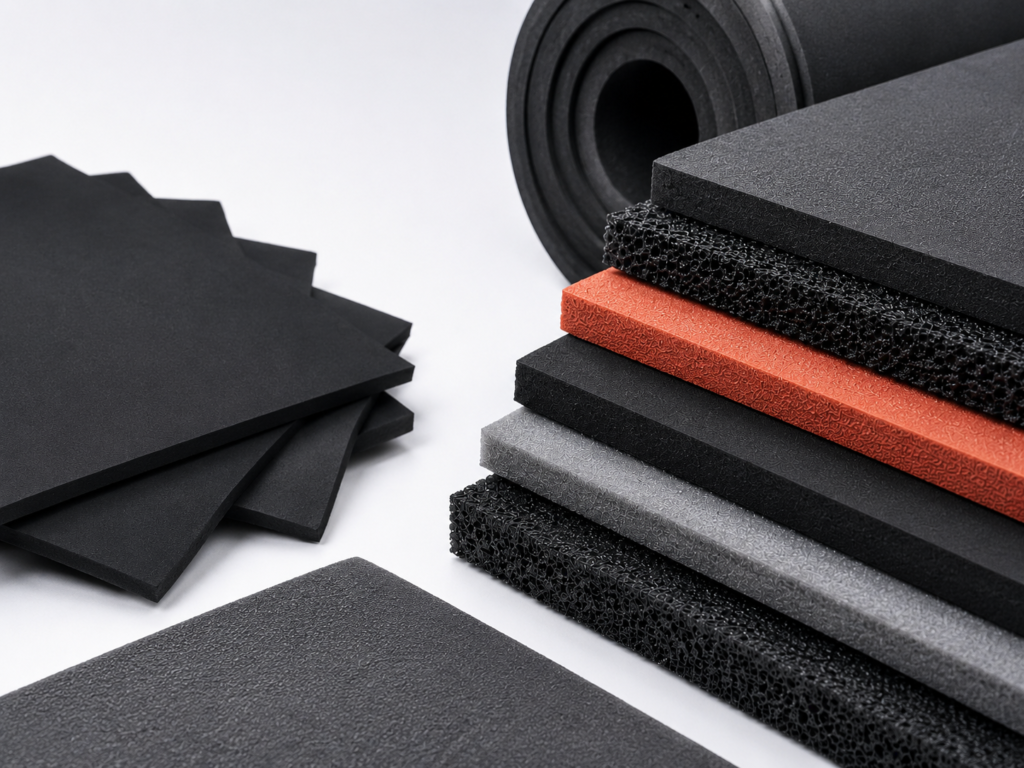
Next, material capability should be discussed in practical language. EPDM, EVA, silicone foam, CR foam, PE foam, and NBR/PVC foam can all support OEM projects. However, each material family has a different feel, recovery, temperature range, surface behavior, and cutting response.
For sealing, weather resistance, shock absorption, and automotive-related parts, EPDM foam is often a strong starting point. It can support door seals, lamp seals, appliance pads, cushioning strips, equipment spacers, and protective packaging. However, compression rate, length, thickness, and joint control should be checked early.
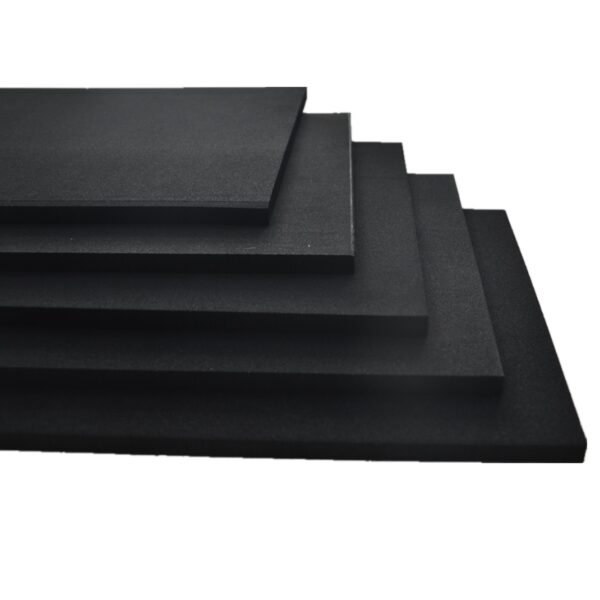 View EPDM Foam Sheet
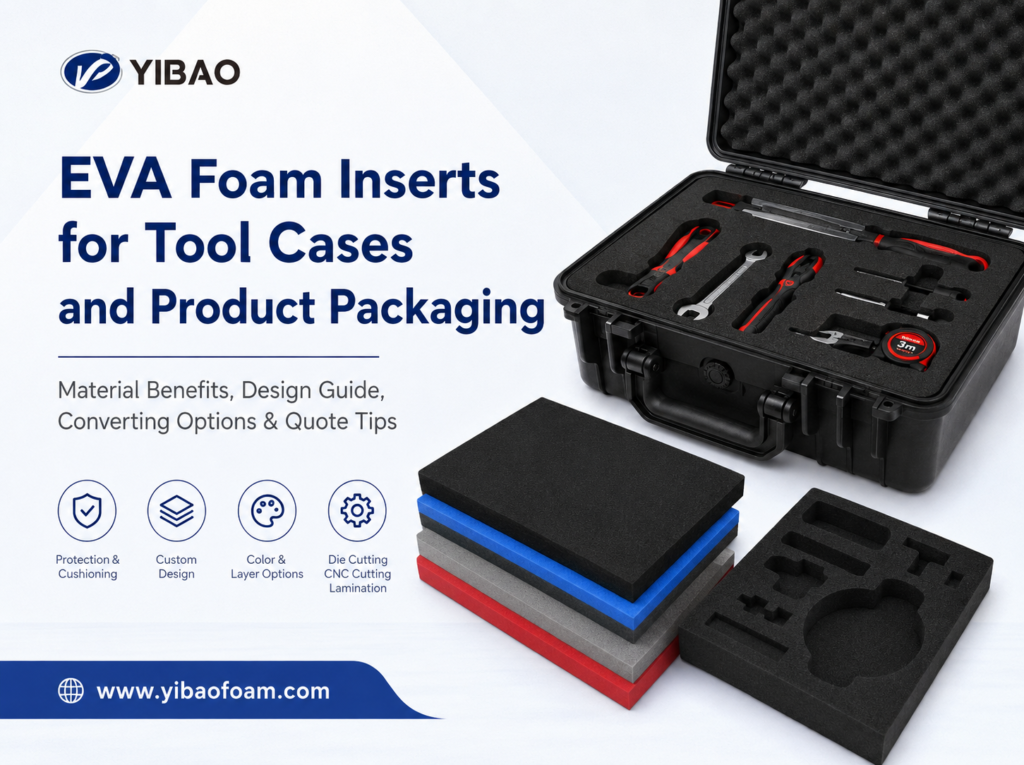
 Meanwhile, EVA foam is useful when the project needs lightweight cushioning, shaped inserts, sports pads, shoe materials, bag structures, case liners, or soft protective parts. It cuts cleanly in many applications and offers a wide range of hardness choices. Therefore, it works well when weight, appearance, and handling feel matter together.
For heat-sensitive or electrical-related assemblies, silicone foam deserves attention. It can support soft sealing, insulation, heat exposure, flame-sensitive areas, and long-term compression needs. In addition, silicone foam can feel more stable where a softer sealing surface is required.
In contrast, CR foam and neoprene-related materials often support flexible pads, laminated sheets, protective parts, sports goods, wetsuit-related materials, and industrial cushioning. They are useful when flexibility, resilience, and fabric bonding must work together.
Overall, the material name is only the beginning. The final choice should match the part function, compression condition, contact surface, working environment, and processing method.
Practical Foam Selection Table for OEM Planning
The table below gives a practical starting point. However, it should not replace sample testing. Instead, it helps project teams choose the first material direction before drawings, samples, and quality checks become more detailed.
| Material | Best for | Key property | Suggested YIBAO page |
|---|---|---|---|
| EPDM Foam | Sealing strips, gaskets, appliance pads, automotive parts, shock absorption | Weather resistance, compression recovery, cushioning, insulation | EPDM Division |
| EVA Foam | Protective inserts, sports pads, shoe materials, case liners, lightweight cushions | Low weight, cushioning, clean cutting, flexible hardness range | EVA Business Department |
| Silicone Foam | Heat-resistant seals, insulation pads, electrical cushioning, flame-sensitive areas | Heat resistance, soft compression, sealing stability, insulation | Silicone Foam Material |
| CR / Neoprene Foam | Flexible pads, laminated sheets, protective parts, sports and industrial uses | Resilience, flexibility, bonding support, comfortable hand feel | YB-2530 Domestic CR Foam |
| PE Foam | Packaging protection, transport cushioning, spacing, lining, insulation | Closed-cell structure, low weight, clean sheet format, impact protection | PE Foam |
| Converted Foam Parts | Die-cut pads, adhesive-backed gaskets, laminated parts, custom foam shapes | Dimensional fit, repeatability, assembly efficiency, controlled packing | Converting |
Also, the table supports internal discussion. Engineering can focus on function. Sourcing can compare supply routes. Quality teams can prepare documents. Production teams can check whether the foam part will be easy to handle on the line.
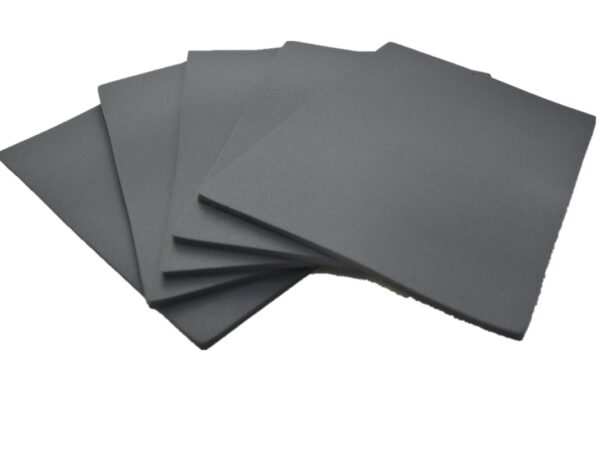 View Special EVA Foam
 In other words, a selection table should not close the decision. It should make the next sample request more accurate.
Converting Support: From Foam Sheet to Usable OEM Part
Foam converting is where many projects become practical. A raw sheet may look correct, but the finished part may need slicing, skiving, die cutting, kiss cutting, adhesive backing, lamination, roll slitting, CNC cutting, or custom packing. Therefore, processing support should be reviewed early.
For example, a narrow EPDM strip can stretch during cutting if the process is not controlled. A soft EVA insert may need a clean cavity edge to look premium. A silicone foam pad may need stable thickness after compression. In each case, converting affects the final part, not only the cost.
 View CR Foam Sheet
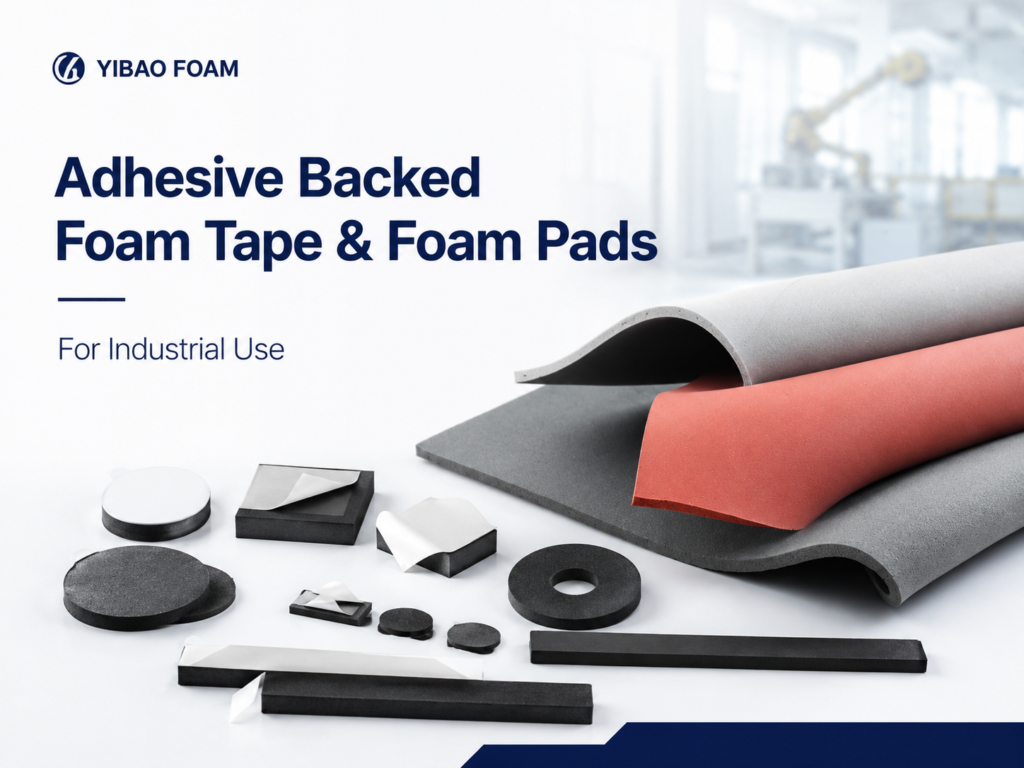
 Meanwhile, adhesive-backed foam brings another layer of judgment. The foam surface, adhesive type, liner, peel direction, storage condition, and assembly surface all matter. A part that sticks well on one plastic may not behave the same on another textured surface.
Details to confirm before tooling
- Final drawing with radius, holes, slots, notches, and critical dimensions.
- Foam thickness before and after lamination or adhesive backing.
- Compression direction and pressure during final assembly.
- Release liner type, peel direction, and adhesive surface.
- Surface cleanliness needs for visible or electronic-related parts.
- Packing method that prevents bending, curling, sticking, or pressure marks.
In addition, converting feedback can improve part design. A slightly larger corner radius may reduce tearing. A better nesting plan may reduce waste. A revised liner direction may make assembly faster.
How to Request Samples That Answer Real Questions
Sample requests should not feel like a blind search. Instead, each sample should answer a clear question. Will the gasket seal the gap? Will the pad recover after compression? Will the insert protect the product during handling? Will the adhesive stay flat after storage?
Therefore, a useful sample request includes more than material name and thickness. It should include the application, target function, drawing, contact surface, compression condition, and any special document needs. Even a simple sketch can make the first sample more accurate.
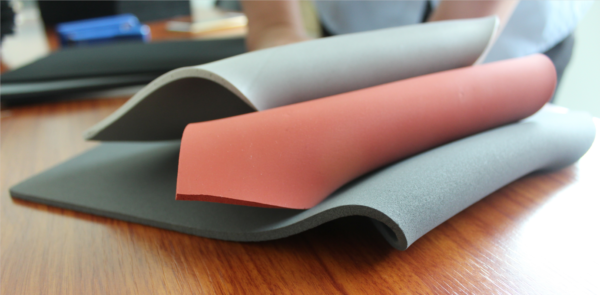 View Silicone Foam Material
 Sample information that improves accuracy
- Application type: sealing, cushioning, insulation, spacing, protection, comfort, or packaging.
- Target material family, or the current material used in the existing part.
- Thickness, hardness, density, color, surface finish, and tolerance range.
- Drawing, CAD file, photo, or simple sketch with key sizes.
- Working temperature, compression time, vibration, moisture, and storage conditions.
- Adhesive, liner, fabric, coating, film, or lamination requirements.
After testing, feedback should be specific. Photos, measured compression, edge condition, peel behavior, odor notes, fit comments, and failure points are all useful. In contrast, short comments such as “too soft” or “not good” slow the next sample round.
Finally, a pilot batch should come before full approval when the part is important. It tests material consistency, cutting stability, packing behavior, and line handling. This step often reveals small problems while they are still easy to fix.
Quality Checks Before Repeat Production
Quality control should feel practical, not decorative. A certificate list can support approval, but the final foam part still needs stable thickness, correct hardness, clean edges, good surface condition, suitable packing, and consistent performance in use.
Therefore, the approval standard should define what will be checked and how it will be checked. Foam is flexible, so measurement method matters. A thickness reading under pressure can differ from a free-state reading. A clear method prevents confusion later.
Useful checks before approval
- Material grade, color, density, hardness, and thickness range.
- Dimensional tolerance for sheets, rolls, strips, pads, and die-cut shapes.
- Compression recovery, aging, heat exposure, flame behavior, or odor requirements.
- Surface marks, color difference, edge burrs, dust, and visual quality limits.
- Adhesive performance after storage, transport, and assembly pressure.
- Packing method, carton label, pallet protection, and deformation prevention.
Also, document needs should follow the application. Some projects need RoHS, REACH-related information, flame-retardant references, internal inspection records, or environmental documents. Others need a simpler file set.
Compare Offers Without Price-Only Thinking
Price matters, but price alone does not show project risk. A lower unit cost may hide slow sample correction, unstable tolerance, weak packing, poor adhesive matching, or unclear quality records. Therefore, quotations should be compared as complete project solutions.
A useful quotation should clearly state material grade, thickness, size, tolerance, color, processing method, adhesive details, packing method, sample lead time, production lead time, and open questions. If these points are missing, later communication may become difficult.
Also, a serious foam supplier usually asks about application, compression, surface, drawing, and test conditions before locking the recommendation. That kind of question reduces later risk and helps the first sample get closer to the real need.
Quotation points worth checking
- Material family, grade, color, hardness, density, and thickness.
- Standard sheet size, roll size, or finished part dimension.
- Tooling charge, die cost, sample cost, and setup requirement.
- Adhesive, liner, lamination, coating, or fabric bonding details.
- Minimum order quantity and realistic batch size.
- Packing format, carton marking, pallet protection, and shipping method.
- Sample lead time, pilot lead time, and repeat production lead time.
Overall, the quotation should make the project easier to control. If a quote creates more questions than answers, the risk should be reviewed before sample approval.
FAQ: OEM Foam Selection and Sampling
What should be confirmed before selecting a Foam Manufacturer?
First, confirm the application, foam function, compression condition, working environment, drawing details, surface contact, and sample target. Also, the team should check whether material support and converting support can work together.
How does a foam supplier support the sample stage?
A foam supplier can suggest suitable material families, review drawings, explain processing limits, prepare sheet or converted samples, and help define useful test points. As a result, the sample stage becomes more focused.
When is a custom foam manufacturer better than a standard sheet source?
A custom foam manufacturer is better when the part needs die cutting, adhesive backing, lamination, tight fit, controlled compression, or repeatable assembly performance. Standard sheets are useful for early screening, while custom parts support production approval.
Which foam material is better for sealing applications?
EPDM foam is often considered for sealing, weather resistance, cushioning, and vibration control. However, the final choice should depend on compression rate, temperature, gap size, surface contact, and long-term recovery needs.
What information should be included in an OEM foam inquiry?
The inquiry should include application type, drawing, size, thickness, hardness or density target, color, surface finish, compression condition, adhesive needs, packing format, and expected volume. In addition, photos of the assembly area can help.
Conclusion: Choose Foam by Real Production Fit
In summary, OEM foam selection should stay practical and grounded. The right material is not only the one with a good data sheet. Instead, it is the one that fits the assembly, survives the use scene, supports the process, and remains stable during repeat production.
Therefore, teams should begin with the foam function, then confirm the use environment, sample target, converting route, and quality checks. This method makes sourcing clearer and reduces repeated trial work.
- First, define the job of the foam part before comparing material names.
- Second, test samples inside the real product, not only by hand feel.
- Finally, confirm converting, packing, and inspection rules before mass production.
Overall, a reliable foam manufacturer should help turn OEM ideas into tested foam parts with clear material logic, practical sample support, and production-ready processing.
For material advice, sample requests, and custom processing discussions, contact YIBAO Foam through the Contact page.